
ANALYSIS | Hantavirus Outbreak Sparks Global Fear as Death Toll Rises to Three
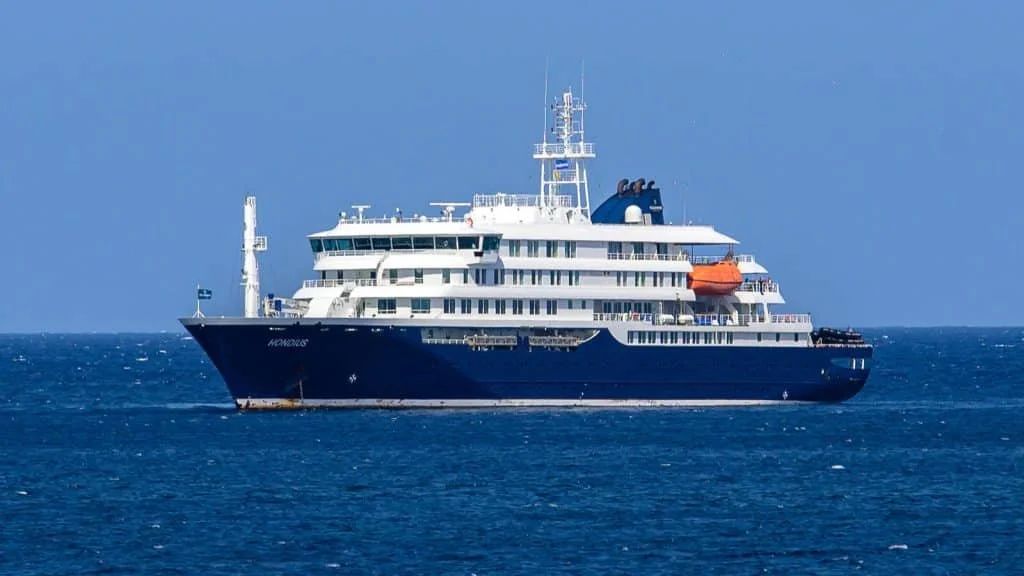
Photo Credit: EarthTimes
Three people died, and several others fell ill after an outbreak of Hantavirus on the Dutch cruise ship MV Hondius between mid-April and early May, according to the World Health Organization (WHO). Word spread quickly, raising concerns for the passengers and the public.
After the outbreak, the cruise ship ended up docking in Tenerife, located in the Canary Islands of Spain. From there, passengers were sent to their home countries, including four Canadians who were required to isolate for 21 days, as per The New York Times. An additional 32 crew members set sail for Rotterdam in the Netherlands, where the ship was disinfected, and where the crew entered a quarantine period.
The four Canadian passengers were flown on a plane chartered by the Public Health Agency of Canada and Global Affairs Canada to Victoria, where they immediately entered isolation.
“These Canadians have been through a very difficult number of weeks, and it showed last night. They were tired, I would say exhausted, but very relieved and grateful to be back here in Canada,” Dr. Bonnie Henry told reporters during a May 11 press conference.
Henry said that the Canadian passengers didn’t have any confirmed close contact with people who were sick on the cruise ship, but she cautioned that in close environments, like cruise ships, “it’s very difficult to know for certain.”
When they landed in Victoria, the four passengers didn’t show any symptoms. However, on May 16, Henry reported that one of the passengers tested “presumptive positive.”
After online speculation, health experts have assured the public that the Hantavirus outbreak will not become the next COVID-19 pandemic. “People are still reeling from [COVID-19] trauma, and a lot of people who experienced that still have a degree of PTSD. So it’s very hard to not spiral,” said Boghuma Titanji, an infectious disease physician and assistant professor at the Emory School of Medicine, according to The Guardian.
Health experts continue to emphasize that the risk of Hantavirus infection to the general public is low.
“I need to stress again and again, even those who have been sharing cabins don’t seem to be both infected in some cases [...] it’s not spreading anything close to how COVID was spreading,” said WHO representative Christian Lindmeier, according to UN News.
According to UN News, Hantavirus is primarily carried by rodents. Humans can catch it through contact with infected rat saliva, droppings, and urine. Human-to-human transmission is also possible from close contact with an infected individual.
This disease can vary from severe illness to fatal infection. In North and South America, some strands of the Hantavirus have been reported to have fatality rates of up to 50 per cent. However, experts explain that they are relatively uncommon to catch, especially in places like Asia and Europe.
Hantavirus is particularly hard to identify in the early stages, as symptoms can take up to eight weeks to appear. These symptoms usually include: fever, muscle ache, fatigue, headaches, nausea, vomiting, and even gastrointestinal symptoms like abdominal pain, as per the WHO. The symptoms resemble other diseases such as COVID-19 or influenza. Although these diseases might seem similar, health officials emphasize that they are very different illnesses and carry very different biological components.