
ANALYSIS | How Canadian-American Travel Has Changed Since Trump's Presidency
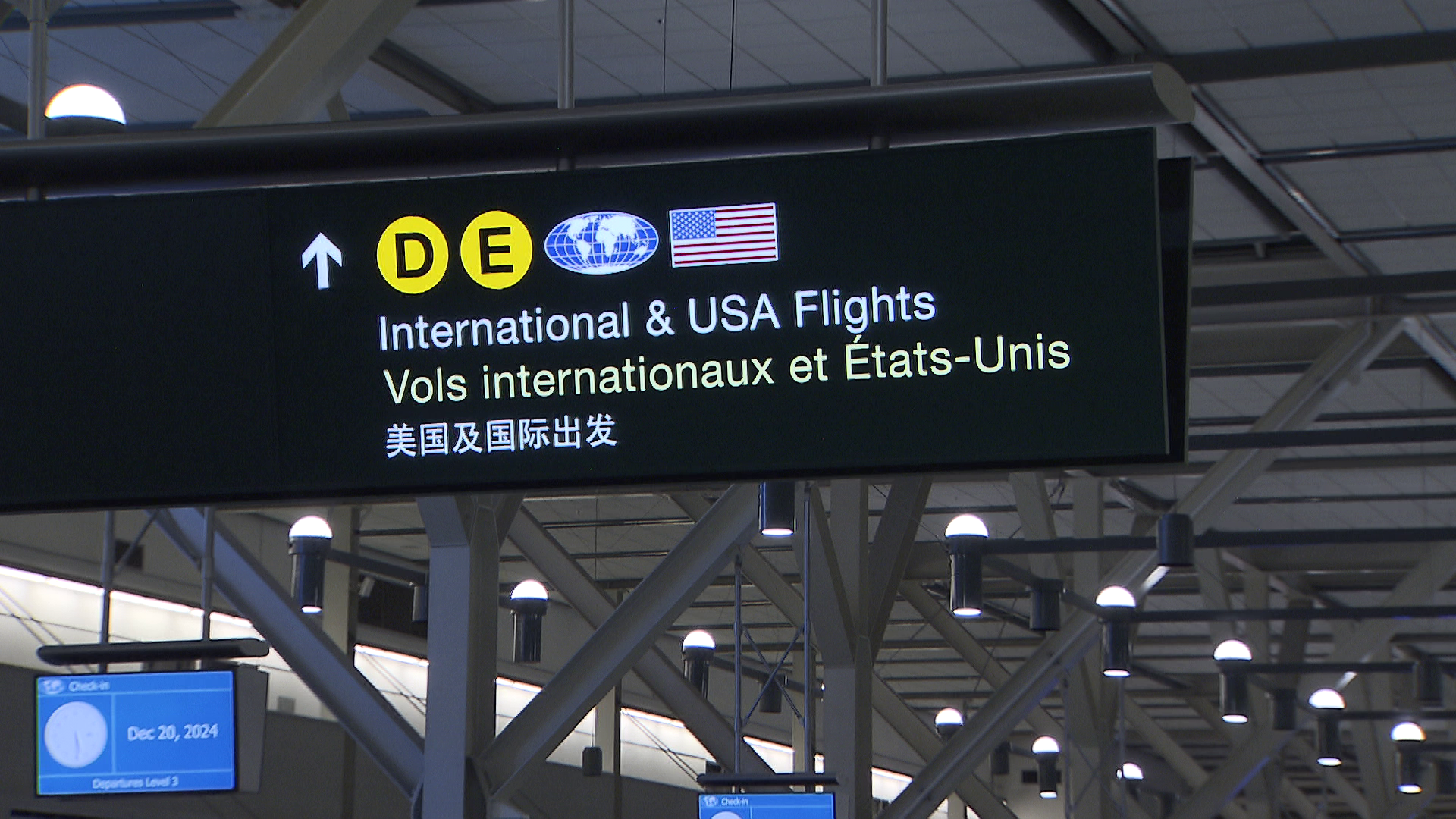
Photo Credit: CityNews
The United States has now experienced over a year of steady decline in Canadian travel, aligning with the beginning of Trump’s tariffs and 51st state comments.
“There's just a sense of uneasiness around visiting America at the moment," said Canadian travel journalist Kate Dingwall.
Arrivals from Canada have dropped over 21 per cent since March 2024, resulting in roughly 4.2 million less Canadian visitors. Canadian tourism is vital for the US economy, creating hundreds of thousands of jobs and generating roughly 20 billion dollars in income per year. When Trump implemented tariffs on Canadian goods, it caused thousands of layoffs in industries like steel, lumber, and auto manufacturing, and many Canadians stopped crossing the border altogether.
“I’m angry that the Canadians don’t want to come here any more. And I don’t blame them,” Aimee Loughran, owner of a small bakery in the American border town of Levingston, New York, told The Guardian. “All of our sales on the strip have gone way down.”
Some Canadians were also left confused and deterred after the Trump Administration introduced the Alien Registration Requirement in early 2025, which requires anyone 14 years of age or older entering the US for a period of over thirty days to be fingerprinted and photographed.
“We see the rule as completely unnecessary. There is no reciprocal requirement of US citizens staying in Canada, regardless of their admission period. And again, it just sends the wrong message,” said Evan Rachkovsky, director of communication for the Canadian Snowbird Association, according to CTV News.
Emma Winger, a member of the American Immigration Council, raised more concerns, as reported by Global News. “We remain very concerned that the new registration requirement will cause fear and confusion. Among other things, we are very worried that this new rule, which requires millions of people to always carry specific immigration documents and present them to law enforcement on demand, will open the door to harassment and discrimination.”
Meanwhile, US Homeland Security Secretary Kristi Noem told Fox News that “If [people] don’t register, they are breaking the federal law, which has always been in place.” She added, “We’re just going to start enforcing it to make sure these aliens go back home and when they want to be an American they can go and visit us again.”
The National Immigration Law Center, a US organization, cautioned that the requirement is intended to spot targets for deportation. “Any attempt by the Trump administration to create a registration process for noncitizens previously unable to register would be used to identify and target people for detention and deportation,” the organization stated.
Alongside the heightened border security measures for non-citizens in the US, Canadian citizens’ stories about interactions with Immigration and Customs Enforcement (ICE) agents appear to be further discouraging travel to the US.
“I never thought I would see, you know, these stories,” Len Saunders, an American lawyer, told CTV News. “There seems to be a boycott right now from Canadians wanting to travel to the US, because they hear all these stories in the news.”
Sixty-two-year-old Douglas Dixon was detained in a facility in Florida dubbed Alligator Alcatraz, after being arrested for "aggravated felony” after business failure and debt during the pandemic. Douglas and his wife were deported back to Canada despite the fact they both held green cards, as reported by CTV News.
Additionally, Canadian Tanya Warner and her seven-year-old daughter were returning from a baby shower in Texas when they were stopped at border patrol by ICE agents to get fingerprinted. What was supposed to be a quick process ended in a nineteen-day stay at a detention centre for an overdue visa. Warner described her experience as inhumane; she and her daughter slept on two inch mats with the lights on in the facility at all hours of the day. Her daughter broke out in a full body rash. “They’re abusive, and their tactics are to threaten you and to be so inhospitable that you deport yourself,” Warner told the Vancouver Sun.