
ANALYSIS | Toronto Patient in HIV Remission Sparks Hope Among the HIV Community
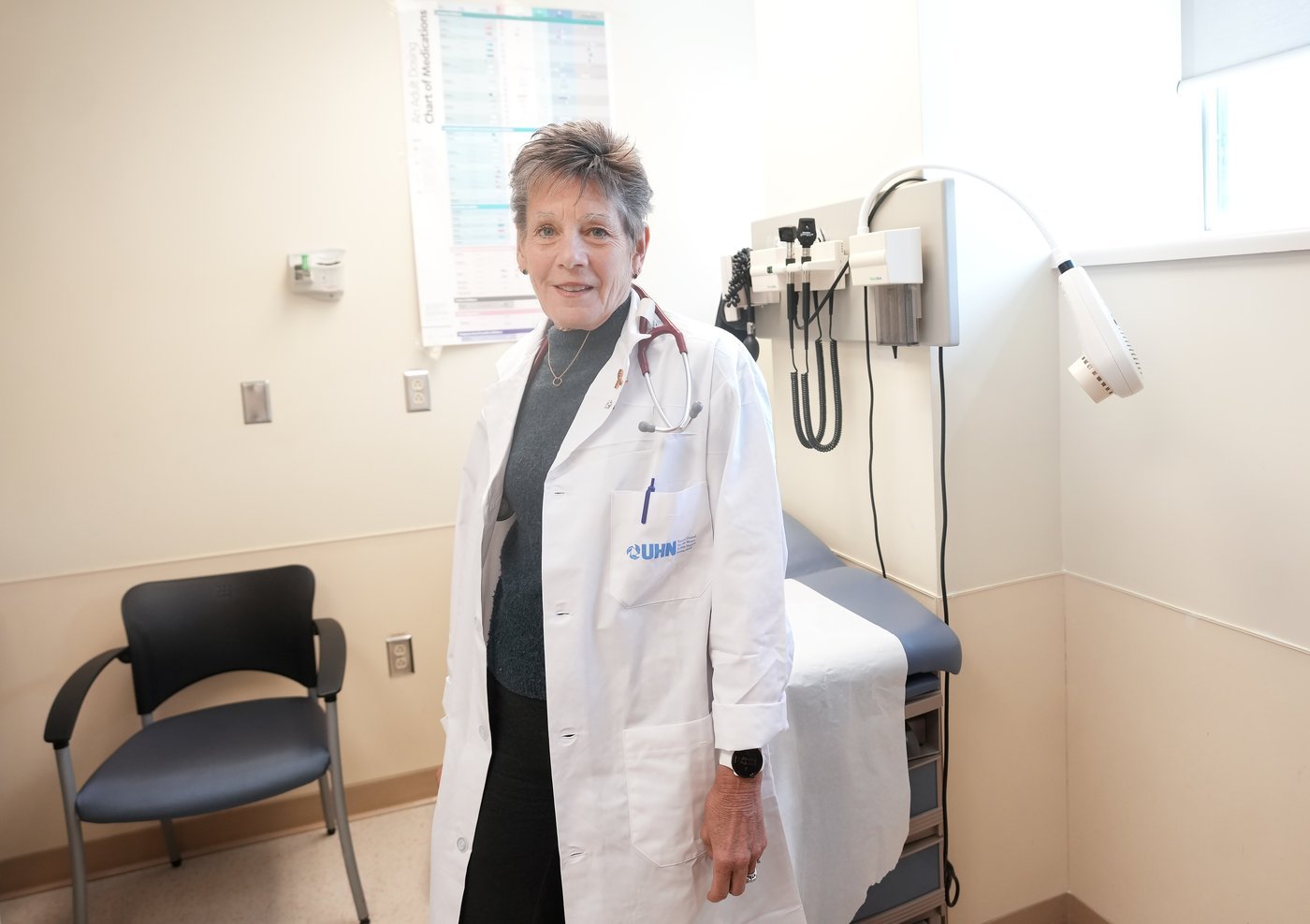
Photo Credit: Nathan Denette via CityNews Toronto
After undergoing a bone marrow transplant to treat cancer, a 62-year-old man from Toronto has become Canada’s first case of sustained Human Immunodeficiency Virus (HIV) remission.
HIV is a virus that attacks the human body’s immune system. If left untreated, it can develop into Acquired Immune Deficiency Syndrome (AIDS), a severe stage of HIV. HIV is acquired through the transmission of certain bodily fluids such as blood, semen, vaginal fluids, and breast milk. It is commonly transmitted through unprotected sexual contact or by sharing drug injection equipment like needles.
Since HIV’s formal recognition in 1981, researchers and scientists have worked tirelessly to find medications and therapies to combat the disease. Although modern medication, like Antiretroviral Therapy (ART), can successfully control HIV by suppressing it to controllable levels, it has no widely accessible cure. However, although not a cure, ART effectively stops HIV from replicating, thus preserving HIV patients’ immune functions, allowing them to live long and healthy lives, and preventing sexual transmission of the disease.
The Canadian breakthrough in sustained HIV remission began in 2021, when a 62-year-old Toronto man was diagnosed with life-threatening blood cancer and received subsequent chemotherapy and a bone marrow transplant. He had been living with HIV for 27 years, taking ART throughout that time to suppress his disease.
His donor cells for the bone marrow transplant contained a rare “delta-32 mutation” in the CCR5 gene, a specific mutation that inhibits HIV from entering and infecting immune cells. After his bone marrow transplant, doctors noticed a significant decline in his HIV levels. The patient discontinued his ART in the summer of 2025, and as of April 2026, his HIV levels remain undetectable with no HIV-specific immune responses detected.
His case was reported by a team of clinicians and researchers at University Health Network (UHN), making him the first Canadian case of sustained HIV remission. The case was co-led by Sharon Walmsley, director of the HIV facility at UHN, and Mario Ostrowski, a clinician at St. Michael’s Hospital.
Dr. Sharon Walmsley reported to CBC that, “not only has [the patient] survived this cancer, but now he appears to have eradicated his HIV.” In addition to that, Dr. Sharon Walmsley mentioned that while there is no “magic number” of years that can define when a patient is cured of HIV, “if you go out to three years, some mathematical modeling suggests that you are probably cured at that point.”
Not yet including the Toronto patient, ten other patients globally are considered cured of HIV after experiencing long-term sustained HIV remission. These patients were also diagnosed with different types of blood cancer and underwent a stem cell transplant. Recently, a patient in Geneva was the first person cured using stem cells without the delta-32 mutation in the CCR5 gene.
However, this method of HIV remission is not recommended. Bone marrow transplants are not only incredibly invasive but also carry immense risk. Only when a patient has a rare combination of both blood cancer and HIV should this treatment be provided.
Still, the case provides a new sense of hope and optimism as it proves that finding a functional cure is biologically possible. “This case offers critical insight into how HIV can be eliminated from the body, informing safer approaches in the future,” said Dr. Tommy Moya, a doctor involved in the Toronto patient’s post-transplant case, according to the UHN.
Using this newfound data, scientists are finding and brainstorming ways to engineer a more accessible cure with non-transplant therapies, such as modifying T-cells or gene therapy. According to the International AIDS Society, “the ultimate goal is to develop broadly applicable cure strategies that do not require stem cell transplantation.”