
BC Care Home Funding Cuts Spark Concern For Seniors And Families
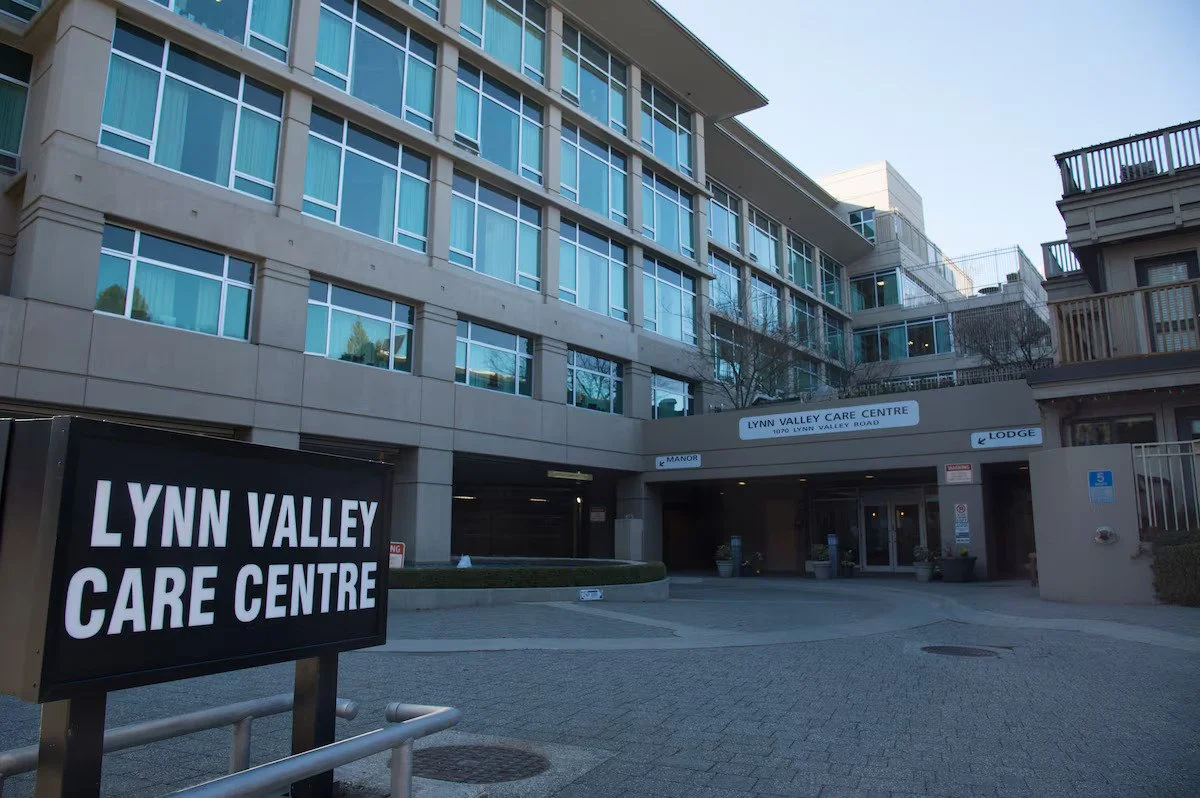
Photo Credit: Jonathan Hayward/The Canadian Press
On Oct. 31, 2025, the Government of British Columbia officially ended additional funding for overtime and agency staff in long-term care and assisted-living facilities across the province. This funding was originally introduced in the spring of 2020 during the COVID-19 pandemic to help care homes with staff shortages, according to City News. Additionally, BC’s 2026 Budget, announced on Feb. 17, included further cuts that impacted care homes across the province.
In October 2025, it was announced that the government is planning to continue removing about $34.6 million in funding for senior care, according to the BC Care Providers Association (BCCPA). The BCCPA also reported that many operators anticipate that up to 764 long-term care beds and 138 assisted living suites could be at risk of closure due to the funding changes.
This does not cut care homes’ main budgets, but it does remove extra funding that many relied on to have enough staff. The province has described these pandemic-related top-ups as temporary and no longer necessary five years after the pandemic’s peak, according to City News.
In February, new developments in BC’s provincial budget also raised concerns about funding for long-term care homes. The Tyee reported that the government has paused construction on seven long-term care facilities, as it reviews how to reduce building costs, potentially slowing the addition of more beds needed for seniors. Meanwhile, the Times Colonist highlighted that although the 2026 BC budget includes $2.8 billion for health care overall, several long-term care building projects have been delayed or reprioritized, and administrative jobs in health care have been cut.
Mary Polak, CEO of the BCCPA, warned that ending overtime and agency funding could force bed closures and strain staffing during flu and winter months, especially in smaller or rural communities.
Independent MLA Elenore Sturko also criticized the change, saying it “threatens to destabilize the entire sector," according to The Times of Canada.
Officials from the British Columbia Ministry of Health have described the funding as temporary pandemic relief and not part of ongoing base budgets, asserting the province still remains committed to seniors’ care while balancing overall health spending pressures, according to The Tyee.
According to the BCCPA, removing these staffing supplements reduces the financial flexibility care homes had to ensure full staffing coverage, especially when regular staff are sick or on vacation. BCCPA surveys that included over 109 long-term care homes report that over 81 per cent will be impacted by these funding changes, and removing that support could lead operators to pause new admissions or close beds.