
Canadian Scientists Discover a Potential Cure for Memory Loss by Increasing Cell Activity
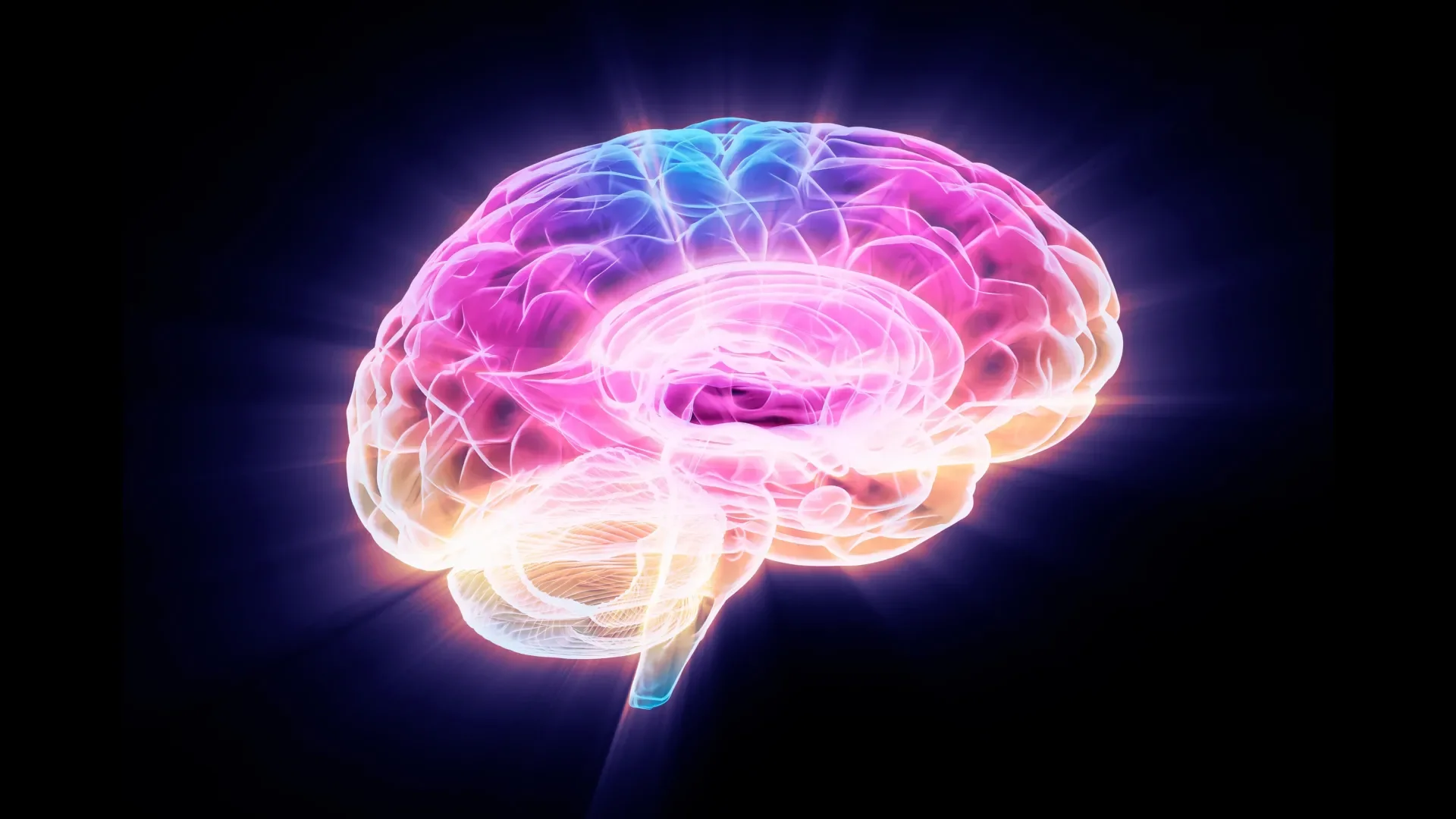
Photo Credit: Shutterstock via Science Daily
A group of international researchers has reported a significant advance in the understanding of dementia. Comprised of researchers from the French National Institute of Health and Medical Research, also known as Inserm, the Université de Bordeaux, and the Université de Moncton, the group created a tool that temporarily increased mitochondrial activity in animals that showed signs of neurodegenerative disease.
The mitochondria is a small structure inside the cell that helps generate the energy required for cells to function normally. Neurons in the human brain depend heavily on energy from the mitochondria to send signals to communicate with one another, as per ScienceDirect. Each works hand-in-hand, so if mitochondrial activity drops, neurons lose the energy they need to function, and essentially shut down. Long durations of low energy can weaken brain functions, such as communication, and contribute to problems associated with memory and other cognitive functions.
“If increasing mitochondrial activity improved symptoms in animals, that would suggest mitochondrial impairment can come before neuron loss and contribute directly to cognitive decline,” ScienceDaily reported.
As well, the scientists found that G proteins play a role in regulating mitochondrial activity in the brain. They built an artificial receptor called mitoDREADD-Gs, which is an experimental biotechnology tool designed to directly stimulate energy production inside mitochondria. Specifically, this receptor activates G proteins directly inside mitochondria, which in turn stimulates mitochondrial activity, which gives more energy to the brain's mechanics, making the brain function stronger. Each time this method was activated, mitochondrial activity returned to normal levels, showing that G proteins’ inducing of mitochondrial activity improves cognitive function.
Giovanni Marsciano, Inserm research director and co-senior author of the study said, “this work is the first to establish a cause-and-effect link between mitochondrial dysfunction and symptoms related to neurodegenerative diseases, suggesting that impaired mitochondrial activity could be at the origin of the onset of neuronal degeneration,” according to ScienceDaily.
Despite the study’s findings, however, past experiments have only included tests on animal models, such as mice. Much more research is needed in order to determine whether the methods that the scientists developed are effective and safe enough for humans, according to ScienceDaily.
"These results will need to be extended, but they allow us to better understand the important role of mitochondria in the proper functioning of our brain. Ultimately, the tool we developed could help us identify the molecular and cellular mechanisms responsible for dementia and facilitate the development of effective therapeutic targets," explained Étienne Hébert Chatelain, professor at the Université de Moncton and co-senior author of the study.
Next, scientists will aim to determine if long-term stimulation of mitochondrial activity can have other positive effects, besides improving memory-related problems.