
CUSMA Review Prompts Negotiation Between Canada And Meta About Online News Act
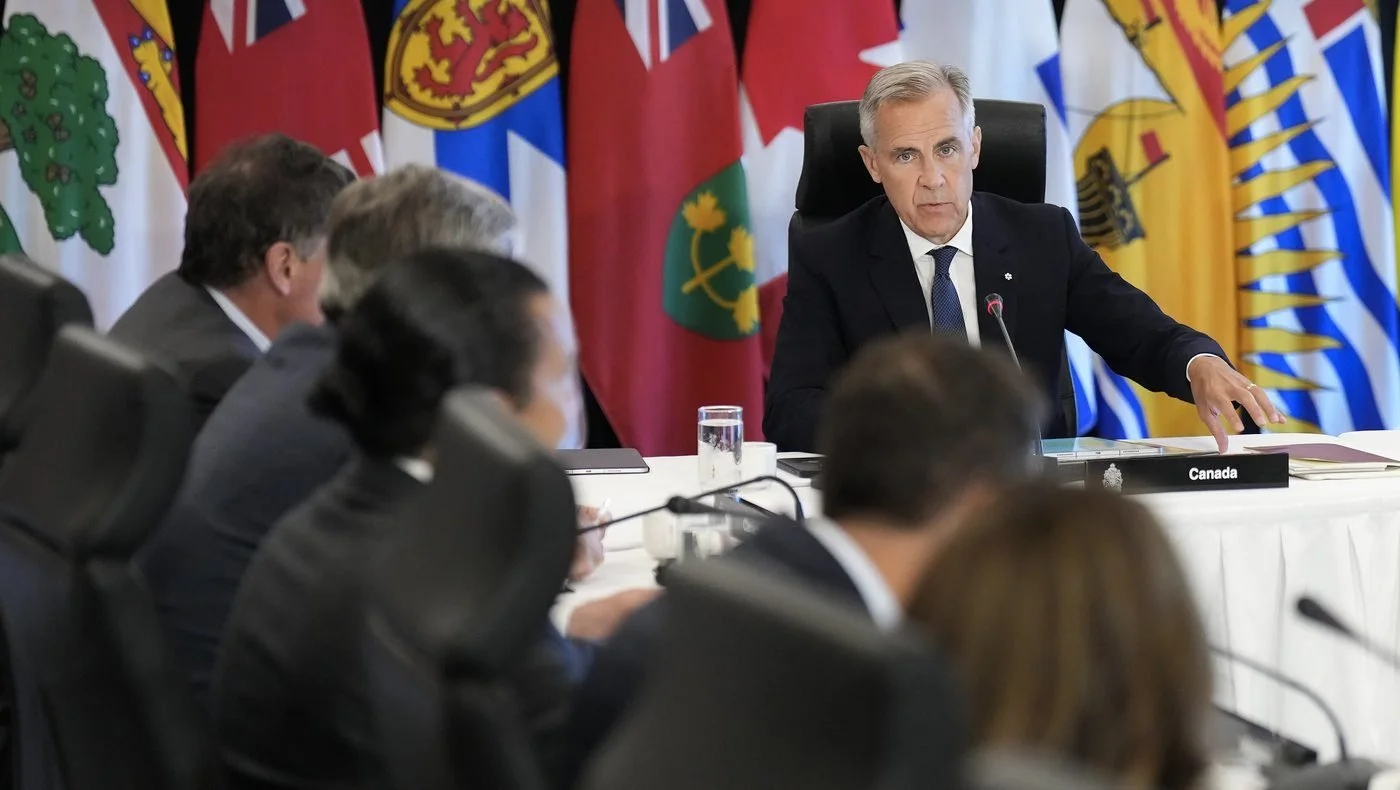
Photo Credit: THE CANADIAN PRESS/Nathan Denette via CityNews
The Canada-United States-Mexico Agreement (CUSMA) will undergo its first review assessment this July. One of the main focuses of the meeting is whether the Online News Act, which prohibits the sharing of Canadian news on social media without compensation from social media platforms, can be resolved between Canada and the US tech giant Meta. Currently, both sides are in the early process of negotiation.
After the Online News Act, Meta decided to avoid the fees by blocking every Canadian news outlet on all of its platforms, including Facebook and Instagram. Google, on the other hand, has continued to share news in Canada but agreed to pay $100 million to Canadian news outlets, according to CTV News.
The federal government is still openly seeking a potential agreement to bring news back onto Facebook and Instagram for Canadian residents. On Jan. 28, the spokesperson for federal Culture Minister Marc Miller, Hermine Landry, told CBC, “The door has always been open on our government’s side to discuss these issues. We've been having regular discussions with platforms since the Online News Act was developed. This is nothing new.”
On the other hand, American Trade Representative Jamieson Greer told a congressional committee in December 2025 that “the Online News Act is a trade irritant because it treats U.S. companies unfairly,” according to CBC.
During the Canadian news ban on Meta platforms, according to Public Media Alliance, media organizations have lost 43 per cent of public engagement on average.
Smaller news providers in Canada were the most impacted as their business depended greatly on the sharing of content through Meta platforms. The ban resulted in one-third of these organizations becoming inactive, according to Public Media Alliance.
Chuck Lapointe, the CEO of Narcity Media Group, a small online news media company, felt that the ban caused years of careful investment to disappear. “Right away, all of [our media was] blocked and Canadians were not able to see our content,” Lapointe said, according to Digital Context. “That was an immediate hit to revenue.”
According to Digital Context, since 2013, his outlets have gained over three million views, and as soon as the ban started, he “lost 50 per cent of [his] traffic overnight.”