
New Immunotherapy Innovation Developed For Alzheimer's
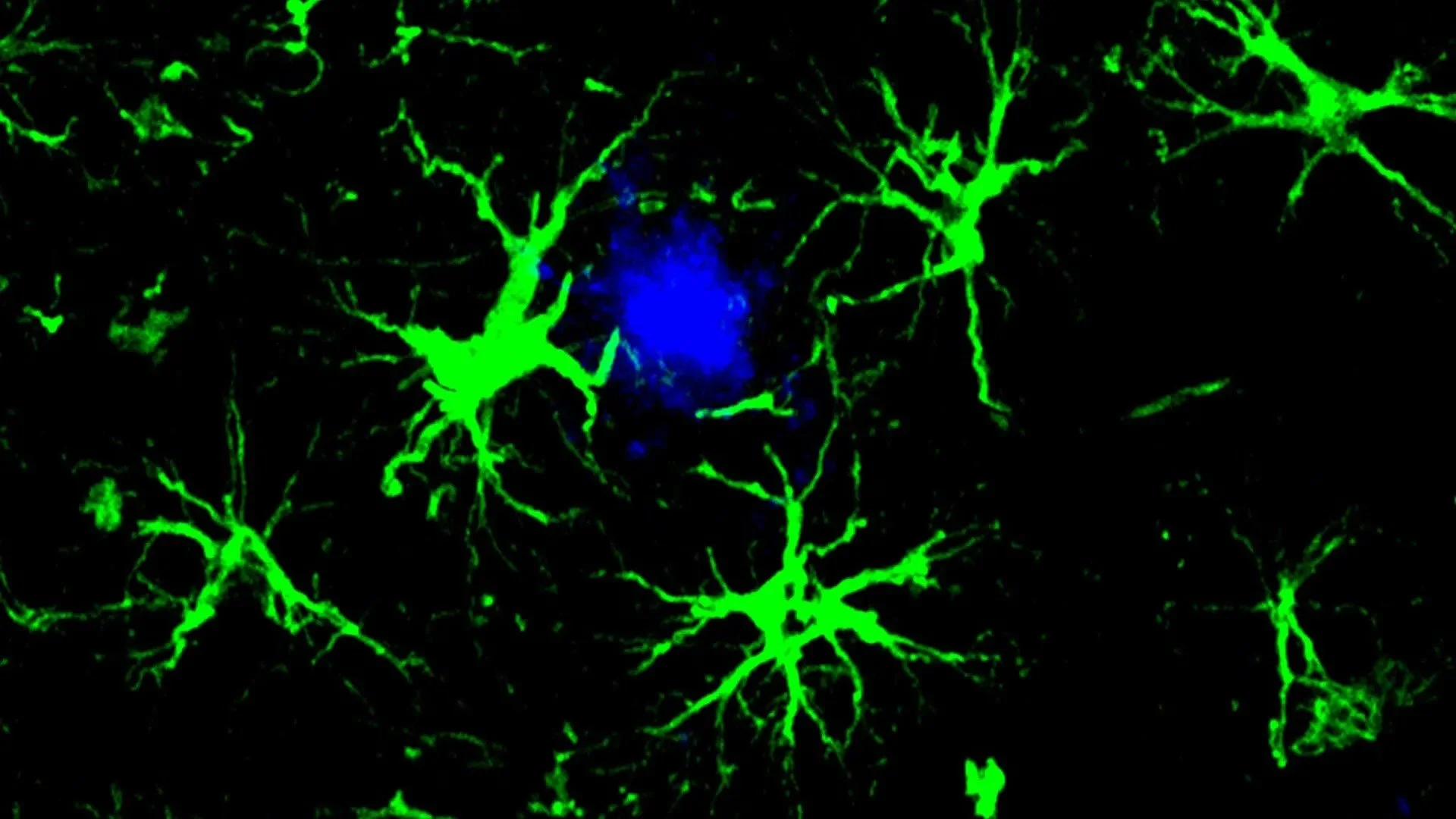
Photo Credit: Yun Chen via ScienceDaily
Researchers at Washington University School of Medicine in St. Louis have designed a cellular immunotherapy that may remove harmful protein plaques linked to Alzheimer’s disorder from the brain in a single injection.
Alzheimer's disease is an invasive, irreversible, and aggressive brain disorder that slowly and permanently slows brain functions such as thinking, speaking, and memory retention, making everyday tasks a difficult chore. The problem stems from the abnormal buildup of proteins known as amyloid plaques, which destroy nerve cells.
This current class of Alzheimer's disease medications is the first to show progress in slowing the disease. However, patients must receive them in large doses through infusions once or twice per month, which can be inconvenient for patients.
According to Science Daily, scientists at Washington University chose a new approach centered around astrocytes, one of the most essential cells in the brain. These cells help maintain a healthy brain and, specifically, healthy neurons. The old technique involving care for Alzheimer’s disease involved directly targeting the amyloid plaques, but instead, researchers have now reprogrammed the naturally occurring astrocytes to find and take out the plaques. They did so by introducing a gene that produces a synthetic receptor, also known as a chimeric antigen receptor (CAR), which allows astrocytes to swallow amyloid beta proteins.
To assess the reliability and effectiveness of the new treatment, Alzheimer-prone mice were used. Mice that carry genetic mutations that are associated with a higher risk of the disease began developing amyloid beta plaques that start to contaminate the brain by only six months of age. Yun Chen, a postdoctoral researcher in the Holtzman lab, tested the immunotherapy in two groups. One group received the virus containing the CAR gene before the plaques appeared, and the second group received treatment after the plaques had formed.
The team found that in the younger mice, the CAR astrocytes disabled harmful plaques from forming, proving the treatment to be successful. In the older mice with formed plaques, the therapy reduced amyloid plaque levels by 50 per cent compared to the mice that received a virus that did not contain the CAR gene.
The findings highlight the potential of what researchers describe as an early successful attempt at engineering astrocytes to treat neurological conditions, particularly Alzheimer's disease. If the approach proves effective in human applications, it could reduce many of the current challenges associated with treatment and improve the comfort and quality of life of Alzheimer’s patients.