
OPINION | How the Met Gala Serves as a Status Platform for the Rich and Influential
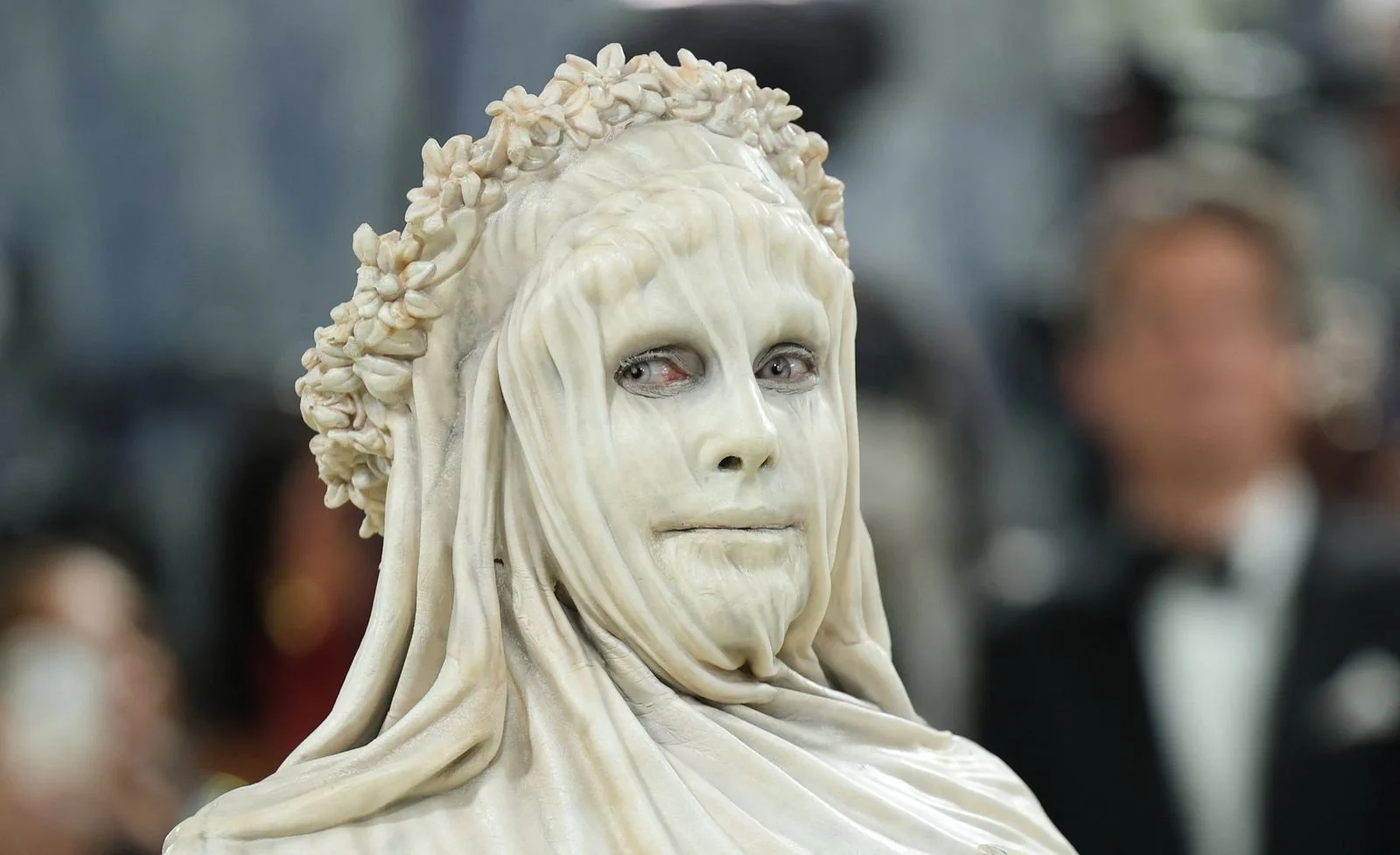
Photo Credit: Angela Weiss/Getty Images
Every year, western society’s most famous celebrities gather in extravagant outfits worth hundreds of thousands of dollars while millions watch from their screens—this is the iconic Met Gala, a charity fundraiser for the preservation and continuation of high fashion. Although marketed as a celebration of art and fashion, the Met Gala primarily operates as a public display of elite status, in which wealth and influence are made into spectacle.
To be fair, there are a few reasons why people enjoy the Met Gala. Fashion can be a meaningful art form, and the event often showcases high levels of creativity and craftsmanship in visually appealing garments. However, appreciation for fashion does not erase the larger, overarching issue: the Met Gala’s celebrity worship and emphasis on luxury create a social hierarchy that resembles less of an artistic event and more of a status competition.
THE COSTS OF THE MET GALA
Contrary to what the Met Gala’s organizers want you to think, the event’s absurdly high prices are not entirely for the sake of fundraising at all. Admission prices and table reservations alone soar past the $100,000 mark, which are only implemented to create prestige for the event. This means that anyone who acquires a ticket is automatically seen as distinct from the common population, because they can afford such an exclusive spot. Simply being invited has become a status symbol, turning attendance into a celebrity rite of passage.
What’s worse is that the spending does not just stop with tickets. Designers and celebrities often invest enormous amounts of money into custom-made outfits that will only be worn once. These garments can require vast amounts of fabric, labour, and resources, all for a few moments on a red carpet. While some supporters argue that such designs are “artistic,” the scale of consumption raises questions about waste and environmental impact, as well. The goal of many guests is rarely just to attend the Met Gala — it’s to attract attention and outperform everyone else. In this sense, luxury spending becomes performative, transforming fashion into a competition of who can create the most memorable spectacle.
WHAT WE FIND ENTERTAINING IS ALARMING
If you’ve ever seen an outrageous Gala outfit receiving Instagram clout, TikToks of celebrities informing fans that viral pictures of their Gala looks were AI, or those exclusive bathroom photos with celebrities filling every corner of the screen, you’ve witnessed firsthand just how fast viral moments of the Met Gala spread. The event’s popularity is almost entirely dependent on viewers spreading highlights, such as memes, fashion reviews and reactions, entertainment news coverage, influencer commentary, and all other social media discourse. In other words, the Met Gala is really, really good at creating buzz.
The problem is what that buzz celebrates. Mass media glorifies elite luxury and turns it into public entertainment, or something we’re expected to look forward to watching. This same romanticization creates unnecessary aspiration and normalization of spending extreme wealth in frivolous ways. Unlike awards ceremonies that recognize accomplishments in film, music, literature, or science, the Met Gala derives its prestige from the fact that famous people attend it. So why are we treating watching celebrities pose for photographs as if it carries the same cultural significance as genuine achievement?
“LET THEM EAT CAKE” MENTALITY
The phrase “Let them eat cake,” often associated with Marie Antoinette, has become a symbol of elite indifference toward normal people. Whether she actually said it or not, the expression represents a bigger idea: displays of luxury can appear as being deeply tone-deaf when many are concerned about far more urgent issues.
This criticism is often directed at the Met Gala. While celebrities arrive in extravagant outfits worth enormous sums of money, many people around the world face rising living costs, housing shortages, economic uncertainty, and overall harsh inequality. This contrast is getting increasingly difficult to ignore, especially as social issues pile up around the world.
ART CHARITY IS A MISPLACED PRIORITY
Supporters of the Met Gala often point out that it raises millions of dollars for the Costume Institute, which is true. The continuation and preservation of art is — and always has been — undeniably central and valuable to culture.
On the other hand, while the Met Gala does at least donate to a charity, instead of putting the money toward more pressing matters, the charity’s cause reflects ignorant elite priorities. While luxury fashion receives substantial attention and financial support, countless social issues continue to struggle for resources and sponsorship. The question here is not whether art should deserve preservation, but if celebrating high fashion really is worth turning a blind eye to all the myriad social problems that society faces.
The contradiction becomes even more striking when the Met Gala’s own attendees undermine the very ideals of art preservation that the event claims to support. For example, a historic and culturally significant dress owned by Marilyn Monroe had captured the attention of celebrity Kim Kardashian, who had the intention of wearing it to the 2022 Met Gala. She had denied a replica being custom-made for her body, instead opting to wear the authentic piece, with reports later arising that the dress had sustained damage after Kardashian wore it. This controversy highlights an irony: in the pursuit of spectacle, even historically significant pieces of fashion can become secondary to celebrity attention.
SPECTACLE IS REPLACING SUBSTANCE
The Met Gala is known as a celebration of art, creativity, and culture. Yet beneath the expensive designer garments, all that remains is a platform where the rich flaunt their wealth and status before a global audience.
The issue lies not with fashion, but within society’s growing comfort with turning obvious inequality into entertainment. When celebrity appearances and lavish displays attract more attention than meaningful achievements, it becomes something that we should worry much more about. The Met Gala may be glamorous, but it also serves as a reminder that in modern culture, spectacle is increasingly replacing substance.