
OPINION | The Dangerous Simplicity of the Underdog Narrative
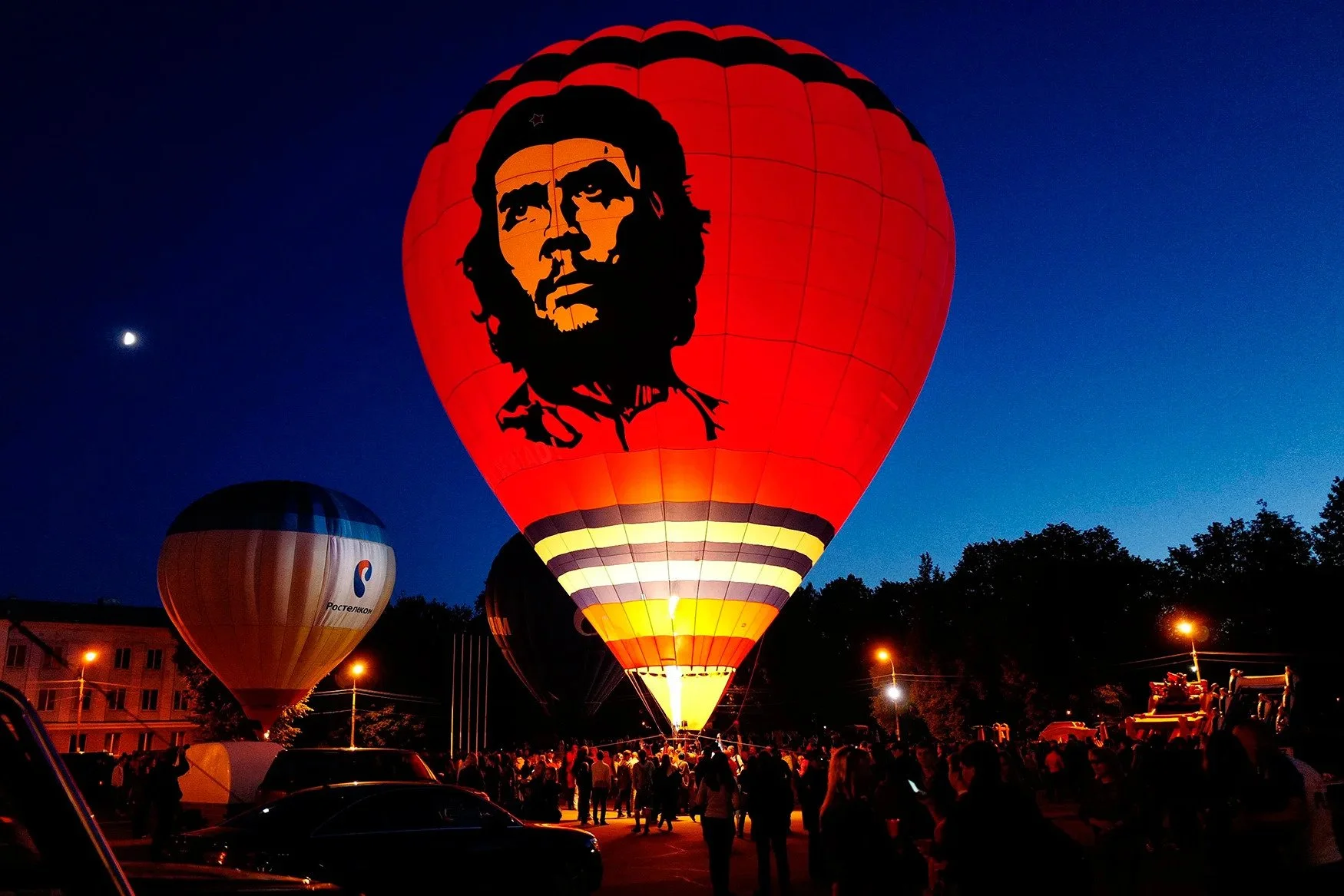
Photo Credit: AP News/Maxim Marmur
From movies to books to TV shows, chances are you’ve encountered countless stories of protagonists overcoming insurmountable odds and beating out their stronger, more powerful opponents. However, this seemingly simple narrative can have incredibly complicated effects on global perspectives.
An underdog story is a narrative where an individual or group is expected to fail, but ultimately succeeds through sheer resilience and determination. It is an incredibly popular storytelling framework that the media cannot get enough of. We, as individuals and as a society, worship the underdog. We cheer when the weaker opponent beats out the stronger, more powerful adversary.
This instinct shapes the way audiences view modern-day conflicts. But oftentimes, it is not a righteous underdog. In highly emotional and polarized conflicts, the underdog narrative is often the lens through which people determine morality. The weaker, poorer side is often assumed to be the morally righteous one, whereas the stronger side is viewed as evil. Conflicts that take up this oppressor-and-oppressed narrative lose all nuance and all complexity to become more digestible to the viewer. Multifaceted issues are reduced to moral absolutism. This framework of viewing conflicts completely whitewashes the issue, simplifying the situation to make it easy to empathize and engage with. It allows us to ignore the faults of the underdog and to excuse the violence they commit.
Let’s take Che Guevara, for example. Guevara was an Argentine Marxist revolutionary and a prominent figure in the Cuban revolution. He was executed in 1967 by the Bolivian army for his socialist campaign. His 1960 photograph, titled Guerrilero Heroico, features a headshot of Guevara at a memorial service for victims of La Coubre, a French cargo ship explosion that the Cuban government blamed on US sabotage. The photo has become one of the most famous images in history. It is printed on merchandise and commonly seen on flags and banners at anti-imperialist and anti-capitalist rallies. His life has become a symbol of a romanticized martyr of the oppressed.
What people fail to mention is his tribunals that resulted in the execution of hundreds, how he worked to shape Cuba into a communist dictatorship that used censorship and imprisonment to silence critics, and how he helped create Cuba’s first forced labor camps used to detain political dissidents, religious minorities, and gay individuals. Yet, his Marxist-Leninist and totalitarian ideas do nothing to halt many peoples’ idealization of him. Just recently, in London on Dec. 20, 2025, demonstrators rallied against the US intervention in Venezuela, proudly waving the Che Guevara flag.
That demonstration itself exemplifies the underdog narrative. The protest was organized by an organization called Stop the War Coalition. The group was founded in the weeks following the 9/11 terrorist attacks, when President George W. Bush announced the war on terror. They have consistently opposed Western military interventions such as Venezuela, Afghanistan, and Iraq, but remain silent in the face of repression by non-Western governments. So why is it that the West is held to such a high standard compared to other governments? Because of the emotional appeal of the underdog narrative.
A strong example of this imbalance is modern-day views surrounding the Middle East. Over time, people began to view people in the region as victims of colonialism, war, and invasion from stronger Western powers. This created a powerful underdog narrative in which groups opposing the West were seen first as victims, rather than being fairly judged for their actions and ideology.
We see this demonstrated during the Second Intifada, a Palestinian uprising against Israel's occupation of the West Bank in 2000. Terrorist organizations such as Hamas, Fatah’s Tanzim, and the Al-Aqsa Martyrs Brigade committed serious attacks, including suicide bombings, drive-by shootings, lynching, and mob violence. Suicide bombers would explode buses, coffee shops, and restaurants, targeting areas where innocent civilians and children would congregate. These events were heavily condemned by government bodies as acts of terrorism.
However, the media floated a different rhetoric. Narratives of asymmetry and resistance flooded the left. Within this framework, moral language began to shift. Violence was contextualized, defended with words like “resistance” and “liberation.” Internationally recognized terrorist organizations became "freedom fighters.” The underdog narrative at its finest, with audiences emotionally categorizing violence depending on which side is seen as structurally weaker.
This is not to say that Palestinians did not face suffering or repression. The Second Intifada in particular caused intense violence and casualties to both sides. The event demonstrates how modern conflicts are complex and do not fit neatly into the narrative of a single victim and a single aggressor.
Another example of the underdog narrative is Luigi Mangione. On Dec. 4, 2024, the 28-year-old was arrested for shooting and killing UnitedHealthcare’s chief executive Brian Thomspon. Officials suspect it was a symbolic act against the health insurance industry and the healthcare system as a whole. Since his arrest, online sympathy for Mangione has transformed into a “Free Luigi” movement. His portrayal in the media ranges from anti-capitalist to revolutionary to sex symbol. There is merchandise that is plastered with “Free Luigi,” along with protesters waving signs with his face at anti-capitalist and anti-war rallies.
To them, he has become a Robin Hood-like figure. Luigi has been exonerated in the public’s eye because his act of murder was viewed as justified. People feel the healthcare system is highly problematic, and Brian Thompson represents that system. Luigi is a martyr, an “underdog” who will take action.
The underdog narrative is often deceptive, prompting polarization and moral-absolutism. Specifically, the rise of social media has drastically increased the level to which we become emotionally invested in conflicts and idolize the weaker side. Conflicts are never as simple as the media may lead you to believe — there are always two sides to a story. Be aware. Do your research. Do not follow the masses blindly. All violence, hate, and repression should be called out and condemned, no matter which side of the conflict is committing it.