
ANALYSIS | Vancouver Reports First Snowless Winter Since 1983
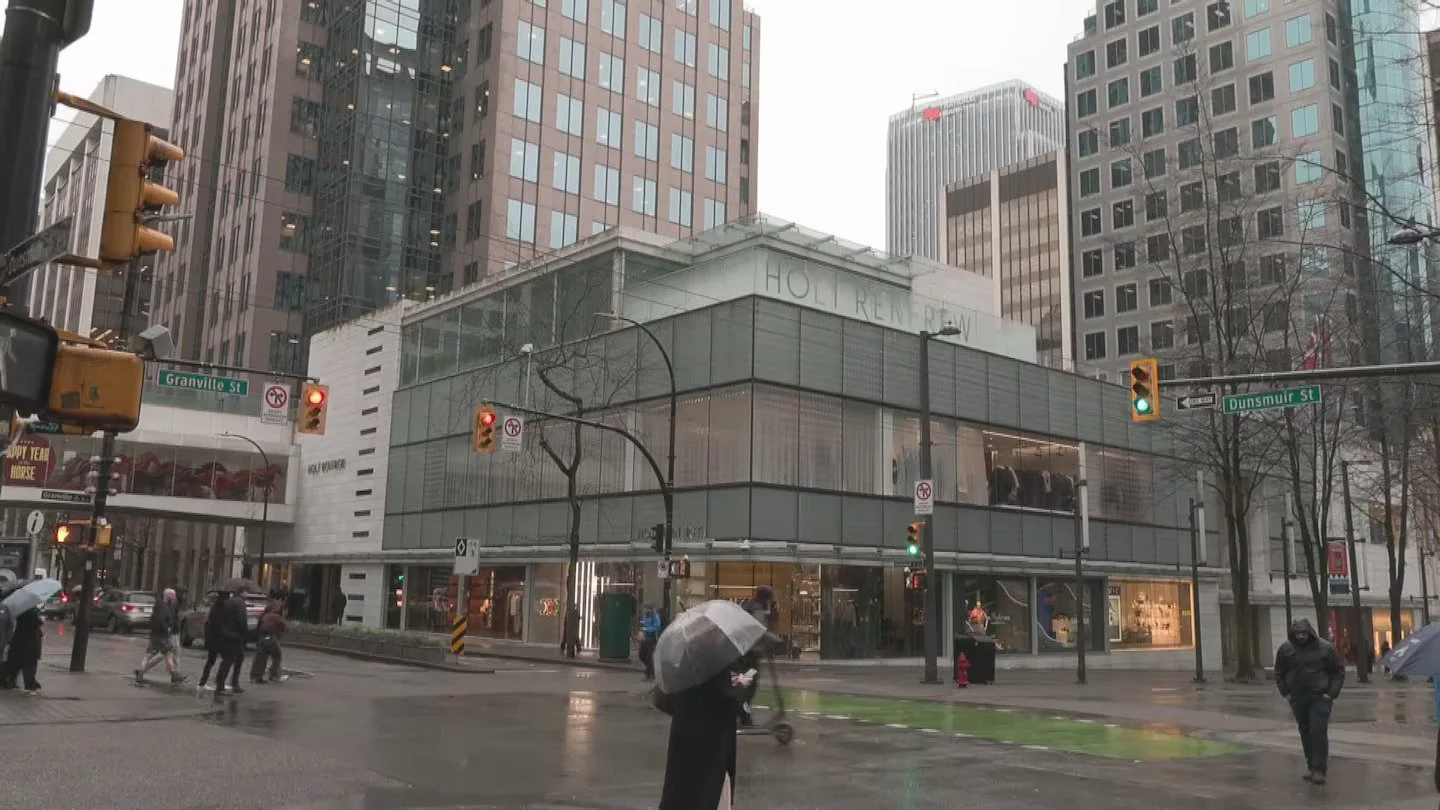
Photo Credit: CTV News
For the first time since the 1982-83 season, Vancouver reported its first snowless winter, which was also the second warmest winter of the city's history. Experts say the lack of snow demonstrates the impact of global warming, and they worry that the warm winter will lead to a worse forest fire season and additional water shortages.
During winter, the temperature in Vancouver usually averages 4.3 degrees Celsius, but according to reports made by Environment Canada, the 2025-26 season saw an average of 6.0 degrees, second only to the 6.3 degrees average reported in 1958.
However, Vancouver’s 2025-26 winter also did not see a major decline in precipitation levels, with 88 per cent of the average rainfall recorded during the season.
Although residents did report seeing some snowfall, Environment and Climate Change Canada meteorologist Brian Proctor explained that although parts of the city saw snowflakes, snow was not observed where the weather station is located, at Vancouver International Airport.
For an official snowfall to be recorded in Vancouver, it must snow at least one centimetre of snow accumulation at YVR airport.
Furthermore, Rachel White, an assistant professor in UBC’s Department of Earth, Ocean and Atmospheric Sciences, says that the 2025-26 winter was visible evidence of climate change and its impacts on citizens’ lives.
“This doesn’t really surprise me in terms of the effect that we know that climate change is having on warming temperatures,” she said, according to CTV News.
She explained, “This doesn’t mean that from now on Vancouver isn’t going to get snow in the winters. We’ll have winters again where there is snow, but it will start to become more common that we have these snowless winters.”
The lack of snow has also led experts to consider the impact of snowless winters on the severity of wildfires in the summer months.
Researchers from Western Colorado University’s Clark School of Environment and Sustainability found that a lack of snow during winter increases both the length of the fire season and the severity of the fires.
The researchers also found that low snow water content — the water stored in winter snowpack — was connected to more severe fires, causing higher tree mortality, greater impacts on ecosystem functions, and an increased chance of long term forest loss.
“Snowpack acts as a kind of seasonal water savings account for forests,” stated the study’s lead author, Dr. Jared Balik, according to the school’s website. “When that account runs low, soils dry out earlier, vegetation loses moisture, and forests become more vulnerable to severe fire.”
“As snowpack continues its long-term decline, we should expect not just more fire, but more severe fire,” said Dr. Jonathan Coop, a researcher at Western Colorado University’s Clark School of Environment and Sustainability, according to the same article. “Understanding those connections not only allows us to plan ahead in years like this one but also compels forest management interventions like prescribed fire that can reduce wildfire impacts.”
A lack of snow during winter can also impact water shortages during the summer. John Richardson, professor emeritus at UBC’s Department of Forest and Conservation Sciences, explained to CTV News in March how exactly the snowpack affects BC’s water supply during the summer months.
“This time of year, there’s nobody thinking about water shortage,” he said. “It seems very rainy, but the last four months have all been below average, not even at the average rainfall, based on the last 40 or 50 years’ records.”
“And while we really like the long, dry, warm summers, that’s also exactly the problem with water; it’s that warmer conditions, more evaporation, less water into the system is going be something that will catch us up sometime.”
Richardson explained that a lack of water will have multiple consequences for drinking water supplies, sewage disposal, and hydroelectric power generation. “If there’s not much water, all of those things get impacted,” he said.