
ANALYSIS | Canadians Boycott Travel to the US, Tourism Sees $5.7 B US Loss
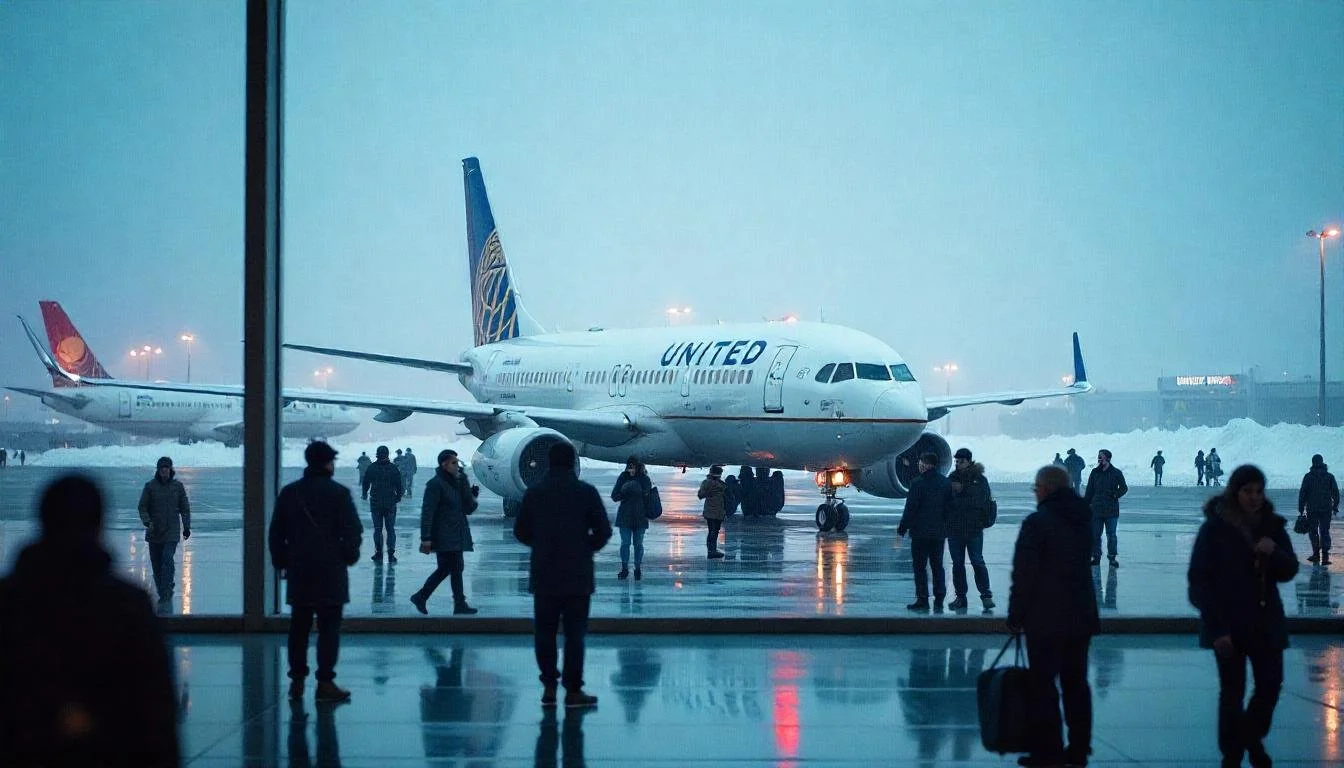
Photo Credit: Travel and Tour World
US tourism is currently facing a loss of $5.7 billion USD, driven primarily by Canadians halting travel south of the border. According to the CBC, this steep decline of Canadians visiting the US has become a persistent trend since US President Donald Trump imposed a series of tariffs on Canadian goods and began referring to Canada as “the 51st state.”
Canadians are traditionally the largest group of international tourists in the US, spending over $20 billion USD last year, according to the US Travel Association. Last year, Canadian vacationers accounted for 28 per cent of all international visitors to the US, totalling 72.4 million individual visits.
Over the past year, air travel from Canada to the US has dropped by 24 per cent, while car travel fell more than 30 per cent, according to Statistics Canada. International travellers coming to the US are predicted to decrease for the first time since the 2020 lockdown.
This abrupt boycott of travel to the US stems from a strong resolve to stand up for Canada, BBC reports. Earlier this year, the US imposed a 35 per cent tariff on all Canadian goods, along with sector-specific tariffs, such as a 50 per cent metal tariff and a 25 per cent automobile tariff.
Due to exemptions under the current free trade deal, Canada faces lower tariffs than other countries; however, three-quarters of Canada’s exports go to the US, which still leaves the economy vulnerable.
As a substantial number of Canadians pivot their vacation destinations, the US faces a 3.2 per cent international spending drop in the country, according to the US Travel Association.
America’s decline in international tourism has led to a travel trade deficit that the US Travel Association predicts will reach nearly $70 billion USD.
Concerns about heightened border security due to Trump’s immigration restrictions are also a contributing cause to the US travel boycott. According to CBC, new regulations from Trump that took effect in April require certain foreigners, including Canadians, to register with the US government if they’re staying in the US for more than 29 days.
President Trump has also angered many Canadians with numerous public comments about making Canada the “51st State,” further discouraging visits across the border. According to CBC, Trump has stated that the Canadian tourism problem was “something that will get worked out,” and that there was still “great love between the two countries.”
In response to Canada’s step back from the US, many tourist organizations in popular spots like Buffalo, Seattle, and Upstate New York attempted to draw Canadian travellers back to the US. CTV News reported that leaders from California’s tourism industry were in Vancouver this November, hoping to lure locals back to sunshine and clear skies with slashed prices as bait.
"For literally 58 years, Canada’s been our number one international destination,” Visit Anaheim President and Chief Executive Mike Waterman told CTV News. “We’re huge fans of Canadians coming in and enjoying […] all the things Anaheim has to offer. And for the first time ever, Mexico kind of usurped Canada as our No. 1 international market.”
With Canadians choosing vacation destinations that are closer to home, Canada’s tourism industry has skyrocketed. Between May and August, Canada’s tourism sector made a record-breaking $59 billion CAD, according to Destination Canada. This is 6 per cent higher than it was the same time last year.
Canadians aren’t just halting travel, though; they are also taking a step back from buying US products at home. The “Buy Canadian” campaign has fundamentally changed the retail landscape. Shoppers are avoiding some US products entirely, instead opting to buy domestic products in their place. Due to President Trump’s stifling tariffs, Canadian export patterns have begun to shift as well.
This year, the UK has become Canada’s second-largest export market, and according to a CBC analysis of Statistics Canada data, Canadian exports to Britain and Northern Ireland have spiked 63 per cent since Trump has been in office.
According to the US Travel Association, major events — including the FIFA 2026 World Cup and the 2028 Summer Olympics in Los Angeles — occurring in the US could bring an international travel rebound in 2026.