
Whale Death Toll Rises in Canada After Three Whales Died From Boat Strikes
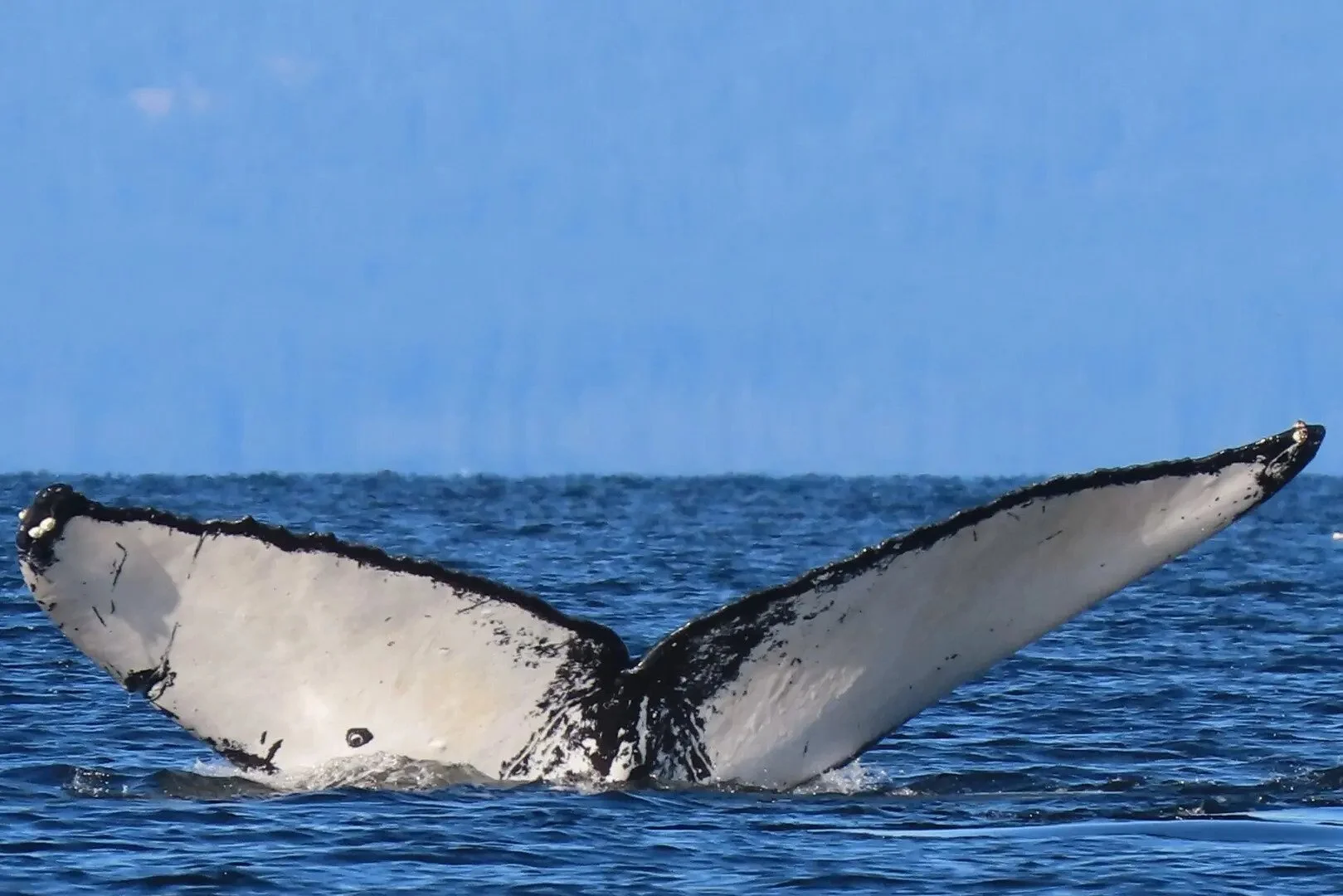
Photo Credit: Louis Jobidon/Marine Educationand Research Society via The New York Times
Three whales were killed by boat strikes along the coast of BC on Sept. 18, Oct. 17, and Oct. 23. These whales were struck by a whale-watching vessel, raising concerns for the local whale population.
According to Ocean Wise, “global ship traffic has skyrocketed – up 300 per cent in the past two decades – bringing more vessels into critical whale habitats and migration routes.” Due to more ships and whales sharing the same waters every year, new measures are being installed to help prevent vessel strikes.
The Whales Report Alert System (WRAS) has helped to reduce whale strikes by alerting vessels when whales are nearby. As its effectiveness depends on many factors, such as real-time sightings and technology, it cannot always cover every area.
Due to a lack of awareness, whale strikes often go unnoticed, which has made it hard for researchers to address this issue, according to Ocean Wise.
Globally, many new regulations have been put in place to reduce vessel strikes worldwide, but each one has its downsides. Voluntary speed regulations will help to reduce fatal collisions, but won’t improve whale detection like WRAS.
Re-routing ships to avoid whale hotspots can improve the likelihood of avoiding any whales or marine life during their voyage. However, this method only works if avoidance zones are heavily enforced and updated frequently. Whale habits change season to season, as they travel thousands of kilometres to different poles depending on the season.
Real-time whale alert systems like WRAS are useful but are not helpful if vessels are moving too fast to react. Since launching in 2018, WRAS has sent out over 85,000 alerts to alert water vessels like BC Ferries and Hullo about whale sightings nearby to safely avoid any collisions. Although the exact number of collisions prevented is not publicly reported, Ocean Wise says that the system plays an important role in reducing the risk by notifying mariners when whales are nearby.
“Over 80 per cent of these alerts come from public sightings submitted via the Whale Report app,” according to Ocean Wise. When conditions are bad or dark, the alerts drop significantly, leaving a large gap in the system. The alerts also can’t always go through to the mariners in time due to a bad connection.
According to the Government of Canada, all boats must remain at least 100 metres away from whales, but at least 200 metres away if they are resting or with a calf. When vessels are this close to whales, it interferes with their echolocation, which is when they emit high-frequency clicks that travel through the water and bounce off objects. This can result in stress and altered behaviour leading to collisions. Whale-watching boats purposefully come as close as they can to whales, rather than most other boats that try to leave as much space as possible.