
ANALYSIS | The Great Meme Reset
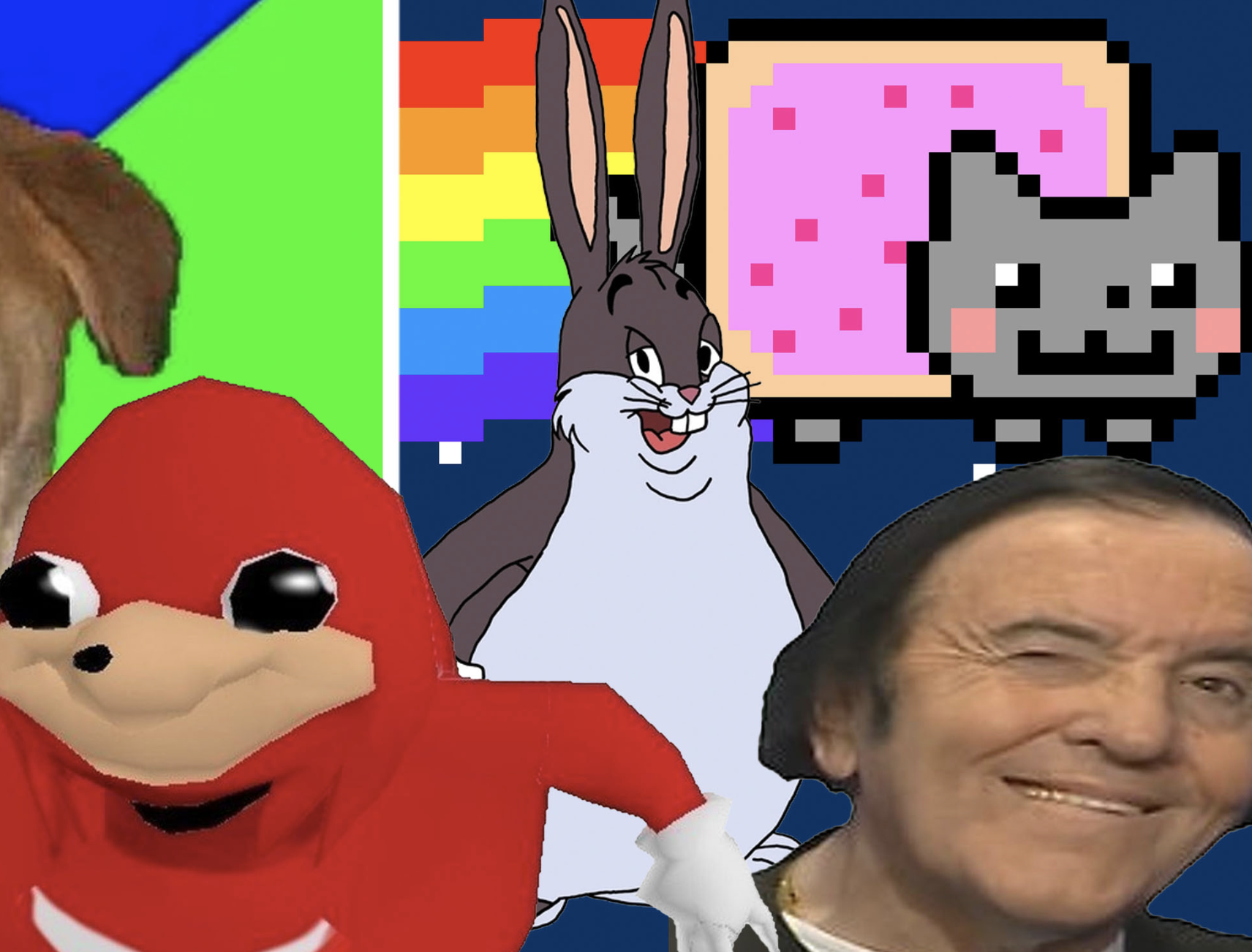
Photo Credit: Know Your Meme
An online campaign known as the Great Meme Reset of 2026 has gained a lot of attention in recent months as social media users call for a revival of memes from the 2015 to 2018 era. The movement, sometimes referred to simply as the 2026 Meme Reset, encourages people to stop posting modern “brainrot” memes on Jan. 1, 2026, and return to the comedic styles that defined the mid-to-late 2010s.
The idea began circulating in late September on TikTok before spreading to Instagram, Reddit, and X. This reset is a way to restore true comedy back into memes, which Meme Reset supporters argue has been weakened by the rise of hyper-specific TikTok memes and rapid trend cycles.
Supporters trace the origins of the movement to growing frustration following the so-called Meme Drought of March 2025, a period on the Internet widely joked about as boring, cringe, unfunny, and forced. That frustration escalated this September when social media platforms like TikTok and Instagram were flooded with niche community memes that many viewers found confusing or unfunny. The humour in these memes stemmed from knowing about the existence of memes that others did not and being able to reference them. Later, many users realized that the frequent Kirk Franklin Eating an Apple meme, which showed a man eating an apple with a caption following the “how it feels to be on x while others are on y” formula, was the underlying constant throughout the many niche memes, showing that they were all one big meme the entire time.
Early posts criticizing the current meme landscape laid the groundwork for the Meme Reset 2026 campaign. A TikTok skit posted on March 13 by user @joebro909 featuring text reading “The great meme reset” received more than 34,000 likes, although it did not mention 2026. On Reddit, user yukifujita posted an Advice Dog meme in April 2025, captioned “We need a reset,” which drew just under 18,000 upvotes. Then, in a TikTok posted on Sept. 16, @ieat_mangoes declared that current memes were “so buns” and proposed “The Great Meme Reset,” gaining more than 13,000 likes.
The first clear link to Jan. 1, 2026, as the first day of this new era, appeared in a TikTok posted by @golden._vr. The video featured a ticking clock and declared, “The last resort for memes: December 31st, 2025, 11:59. Memes are rising from the grave,” referencing a past popular trend focusing on the Major League Gaming (MLG) aesthetic. The MLG aesthetic was popular from 2014-2017, and revolved around overloading videos with aggressive dubstep dance music and trickshot montages of video games. The post received approximately 368,000 likes and was a key turning point in the evolution of the idea.
From there, the Meme Reset campaign accelerated throughout late September and October. On Sept. 22, TikToker @gary4snailzz used the Kirk Franklin Eating an Apple meme template to reference classic internet icons such as Yee and Chocolate Rain. The post received more than 36,000 likes.
Other creators soon adopted similar themes to @gary4snailzz. A TikTok posted on Oct. 1 by @bloxadise used a popular audio clip and the caption: “January 1st, 2026. The Great Meme Reset. We will return to January 1st, 2016,” gaining more than 10,000 likes. Then, on Oct.18, creator @anti.spawnism24 posted a compilation of pre-2025 memes, including Ugandan Knuckles, Ainsley Harriott, and the Shocked Black Guy reaction. It amassed more than 487,000 likes in nine days. The video was reposted to Instagram by @uncrustamemes the following day and gained almost 60,000 additional likes.
The idea of a Meme Reset soon migrated to Reddit communities. On Oct. 24, a user in subreddit chat r/thomastheplankengine described a dream he had about a newly invented post-reset meme based on the number 68, a reference to the long-running “67” meme. The post received about 2,500 upvotes within three days.
Underlying the campaign is a sense of nostalgia for what many users see as the golden age of a shared internet culture that existed between 2015 and 2018. Common Internet references from this era include Big Chungus, Ugandan Knuckles, Rage Comics, Advice Animals, and MLG Montage Parodies. Internet users also compared older meme staples that promoted brands such as Doritos and Mountain Dew to modern trends promoting the White Monster Energy Drink, the Grimace Shake, Lunchlys, Feastables, and Prime. Recently, there have also been new additions to the list of numbers that are categorized as memes. This list (which included 21, 69, and 420 in the past) now also includes 67 and 41. For many, the older meme formats represent a time when meme culture felt more unified and less corporate.
Whether a coordinated reset will actually occur on Jan. 1 remains uncertain. Internet culture rarely changes through organized effort, and meme trends often shift unpredictably. Nonetheless, the Great Meme Reset has already become a significant cultural moment, highlighting widespread dissatisfaction with current trends and a longing for a shared digital past.
However, this November, leading up to the proposed Great Meme Reset on Jan. 1, has the Internet pumping out universally well-received memes, including Domer, the whining dog, niche baby, Cassius Thundercock, and quarter zips versus Nike Tech. One of the most popular memes is Bird Game three, which consists of AI videos of a Bird-based battle royale and egg-stealing video game. Nonetheless, there were some controversial trends this month as well, such as the “Kirkification” memes made by users photoshopping Charlie Kirk's face onto famous images and memes.
Henry De Tolla — the pop culture news influencer behind @hoopify, which has 1 million TikTok followers — posted to his alternate TikTok account @hoopervally08 on Nov. 28 that he believes this November was the best month for memes in 2025. He added that its only competitor could be early January, with the property in Egypt meme, and the 'chopped chin' and 'eye of Rah' trends.
Meme Reset supporters are preparing for their symbolic start date by encouraging others to join them and return to what they see as a funnier and more creative era of online humour.