
OPINION | The Rory Gilmore Effect
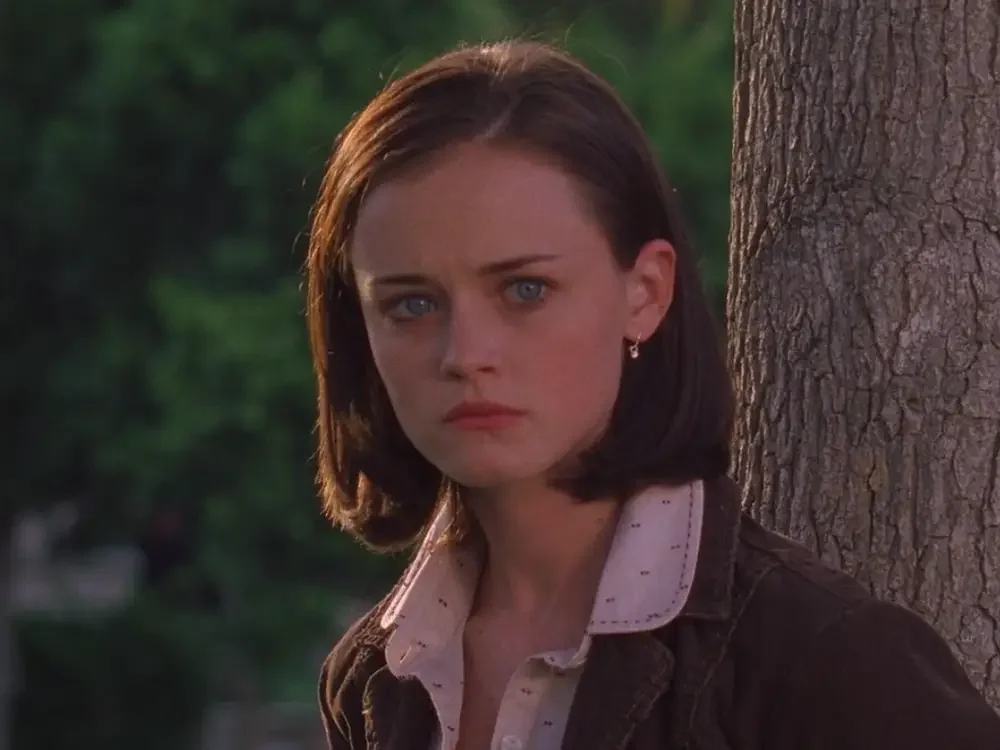
Photo Credit: Warner Bros
Every autumn and winter, Instagram feeds and Pinterest boards erupt with so-called “aesthetic” photos of cable-knit sweaters, steaming coffee cups, well-worn paperbacks, and cozy Spotify playlists—all under the guise of being supposed homages to Rory Gilmore’s aesthetic. But the Rory Gilmore being idolized isn’t the real Rory at all. Her failures, mental instability, and privilege are all conveniently glossed over, leaving behind only a marketable aesthetic: the illusion of being effortlessly brilliant and put together. So, let’s be honest—when we romanticize Rory Gilmore, are we admiring all the qualities that make her human, or just consuming her image?
THE RISE AND SELECTIVITY OF THE “RORY GILMORE AESTHETIC”:
Thanks to the seasonal resurgence of Gilmore Girls every year since 2000, Rory Gilmore has become an idolized autumnal icon. In recent years, hashtags and keywords like “rorycore” and “cozy academia” quietly snuck into the captions of autumn-inspired Reels and TikToks, defining what the “Rory Gilmore aesthetic” means. If you search up any of these keywords on a social media platform, you’ll see cozy wardrobe inspiration, brown-hued stacks of Kafka and Tolstoy, and Yale flags on dressers. You’ll see quotes from Rory (“A little nervous breakdown can really work wonders for a girl”) stylized in fonts like Book Antiqua and Times New Roman. But is this really all Rory is? You don’t see tears, torn pages, and stress. No, you see pictures of Rory in front of bookstores, or Rory writing essays. Because who wants to see the dark side of things when it has no appeal, no ability to be aestheticized or romanticized?
You see, the internet thrives on selectiveness. They cherry-pick traits that are “pretty,” “desirable,” or, to be more frank, marketable, and turn them into neat aesthetics that followers and viewers can adopt or admire. Anything uncomfortable, which, in Rory’s case, is her burnout, isolation, and breakdowns, is erased. People love “flawed” characters, just as long as the flaws are coated in syrup and dusted in sugar. This is taking it too far, because if you take a traumatized, sadistic, and mentally distraught girl like, say, Jinx from Arcane, she gets repackaged as being “chaotic” and “cool,” to the point where even suffering becomes marketable. Just like this, the internet has reshaped Rory’s story, choosing her ambition, bookishness, intelligence, and all-around “perfection” as the definition of Rory on Pinterest, but avoiding her privilege and elitism. This has changed how people perceive Rory, as well. Everybody talks about how Rory is so admirable for setting her eyes on Harvard, and eventually Yale, and working hard enough to get in, but nobody talks about how she gets overwhelmed and drops out later. Everybody talks about how Rory and Dean/Jess/Logan/Tristin (take your pick) are so cute together, but nobody talks about how Rory dumps them, or cheats on them, or lies to them, one by one. It’s a rather interesting contradiction that the fanbase that claims to love Rory and everything that she is, also happens to ignore everything that makes her real.
THE TOXICITY OF IDOLIZING A FAÇADE:
When the media idolizes Rory Gilmore, it pressures real girls to keep up with her impossible illusion of perfection. It pressures real girls to seem studious, perfect, self-assured, and effortlessly smart, rather than allowing themselves to feel uncertain about who they want to be. We glorify burnout and disguise it as “ambition,” “motivation,” and “having a good work ethic.” The thing is, nobody should ever overwork themselves to the brink of exhaustion while thinking it’s the norm. And yet some girls do, all in pursuit of Rory’s advertised life. Idolizing Rory Gilmore also creates insecurity. This aestheticization fuels a toxic, “if Rory can do it, why can’t I?” mindset. Well, Rory didn’t.
THE LOSS OF AUTHENTICITY:
As mentioned above with the example of Jinx, social media flattens multidimensional women into hollow characters and personalities that you, too, can adopt. It turns complex stories into digestible “aesthetics,” to make them neat and palatable to get as many likes and views as possible. This phenomenon happens with more characters than just Rory and Jinx. Think about Regina George, Wednesday Addams, Harley Quinn, Robin Buckley, Luna Lovegood, or literally anybody else. And now think of the “aesthetics” they’re associated with. Regina George, for example, is associated with pink, drama, and bunny-eared headbands. Wednesday Addams is associated with darkness, morbidity, and monochromatic spiderweb windows. Luna Lovegood is associated with daydreams, ditziness, and overall eccentricity. The examples are endless. Every single one of these women has stories that shaped who they are and has faced challenges that not just anybody could overcome easily. To just pin these symbols onto each character and say that’s all they are, is, simply put, worse than objectification. And yet that’s what we’re doing to Rory, as well.
THE IRONY OF IT ALL:
Rory Gilmore’s story was meant to criticize privilege and elitism, not glorify it. Her story is about the cracks beneath the perfection, and how pretending they don’t exist just makes them grow larger every day. In fact, Rory’s downhill spiral was the driving plot of the entire show. But the culture and idolization around her completely misses that point. Somehow, we turned a story about burnout into a story about brilliance. And so the irony writes itself.