
Japan Elects First Female Prime Minister, Sanae Takaichi
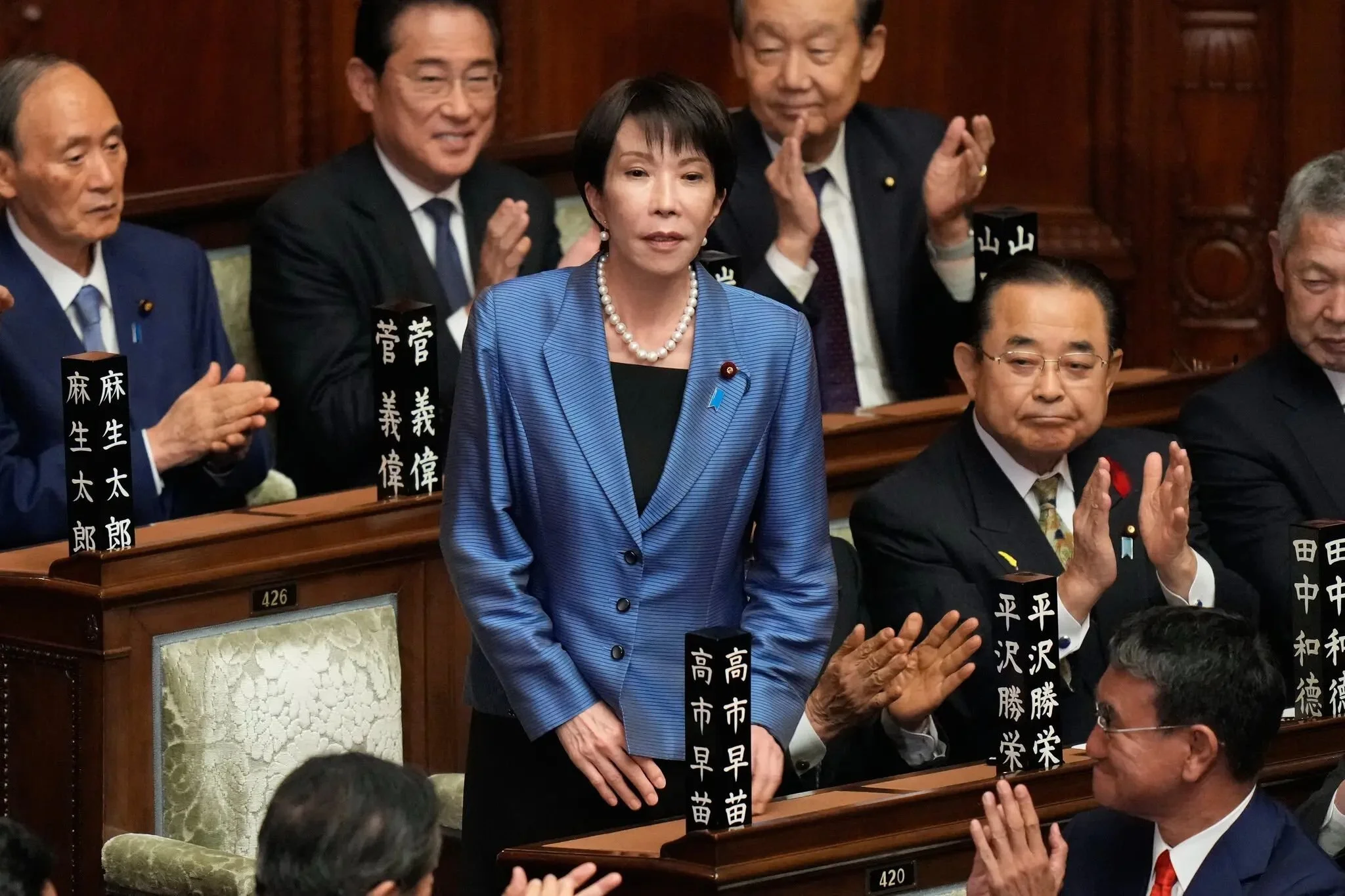
Photo Credit: Hoshiko/Associated Press via The New York Times
On Oct. 21, Japan's first female president, Sanae Takaichi, was elected. The 64-year-old woman won a clear majority of votes with 237 in the lower house and another 125 in the upper house as leader of the Liberal Democratic Party (LDP).
Takaichi was born and raised in the Nara Prefecture of Japan, just south of Kyoto, and had an unconventional start to her political career. While studying at Kobe University, she played in a band as a heavy metal drummer, covering artists such as Deep Purple, Iron Maiden, Rainbow and UFO. She went on to complete a US internship, serving as a congressional fellow for Congresswoman Patricia Schroeder. This was followed by a short, lively career as a TV host in Japan, before entering politics in 1992 when she ran unsuccessfully for a seat in the House of Councillors.
About a month after her election, on Dec. 1, Takaichi’s approval rating was around 75 per cent, according to a survey by Nikkei Asia. However, this rate dropped 4 points in the middle of the month, down to 60 per cent, according to a monthly survey by Jiji Press.
There have been many different reactions to her successful win, as some citizens do not approve of her being female and think her beliefs are invalid, including other politicians. In contrast, some think that a female prime minister might be a good change and that she can help Japanese society and the economy. Sanae Takaishi has many goals to improve Japan, ranging from inflation, business, and security.
Firstly, Takaichi plans to help with the economic policy in Japan using a series of aggressive economic policies that she calls takaichinomics. She wants to fight inflation, help with economic growth, and provide support for businesses. Regarding national security and diplomacy, she would like to have a military buildup and strong ties to the United States. She also wants to save energy and energy security.
Her stance on domestic and social issues often mirrors the US: she hopes to tighten immigration control, and leans toward the right on traditional issues. For example, Takaichi opposes allowing married women to keep separate surnames from their husbands, and she also opposes female succession in the imperial family. She is also against same-sex marriage, according to the BBC.
Takaichi’s campaign experienced high tensions with China. At the beginning of her term, Takaichi remarked that a potential Chinese attack on Taiwan would constitute an "existential threat" to Japan, which might warrant a military response. This shattered Japan’s carefully neutral stance on China-Taiwan relations, something they have maintained for years.