
ANALYSIS | Record-Low Snowfalls, Poor Ski Conditions On BC Mountains
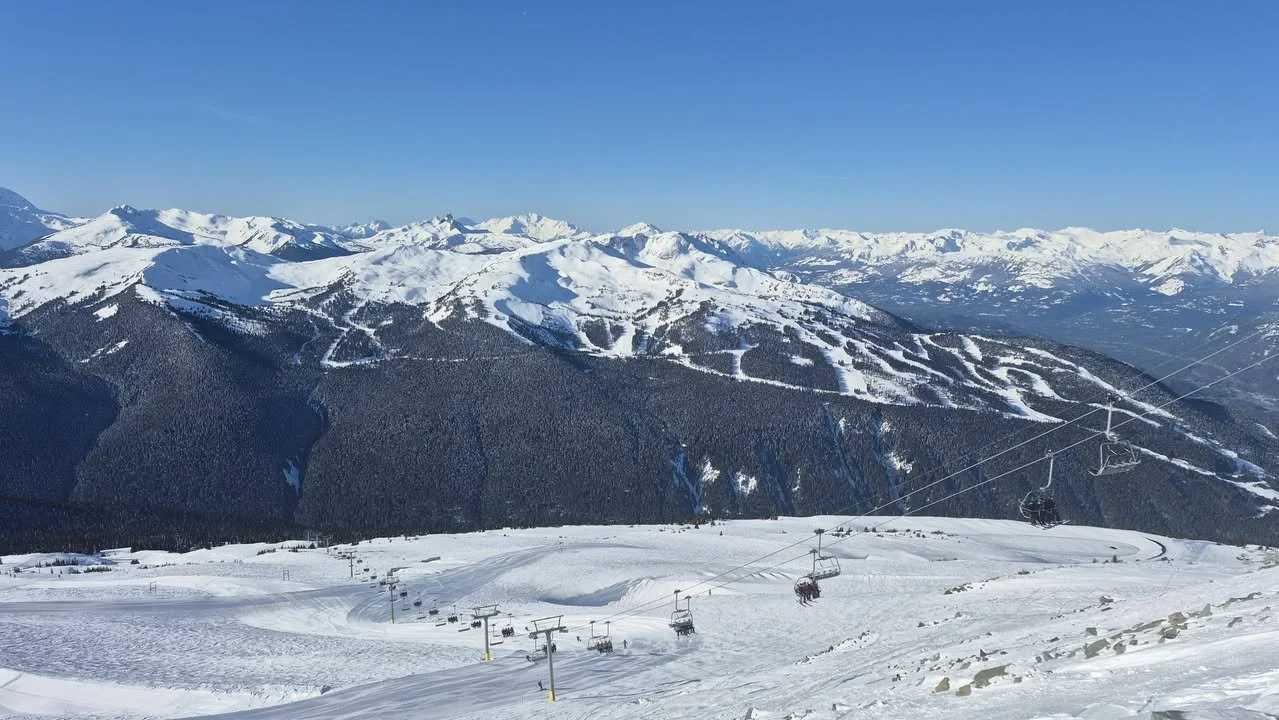
Photo Credit: Facebook
As the ski and snowboard season has reached a halfway point, skiers and snowboarders at local mountains are closely monitoring snow conditions. Confidence in a strong winter continues to fade as record-low snowfalls and rising temperatures have led to poor-quality snow across local mountains.
Limited snowfall has resulted in thinner snow bases and fewer open runs, affecting the quality of skiing and snowboarding compared to previous years, according to Vancouver Is Awesome.
Weather patterns can help explain why consistent snowfall hasn’t occurred this season. Specifically, the El Niño-Southern Oscillation is a system used by meteorologists to predict snowfall based on sea-level temperatures and atmospheric pressure. It classifies the year as either an El Niño or a La Niña. El Niño is warmer, and La Niña is cooler, according to the Smithsonian magazine. Historically, almost all near-snowless seasons were predicted as El Niño.
Contrary to the Lower Mainland, central and northern British Columbia are experiencing an above-average snowfall this season, as reported by the Weather Network. Many powerful storms have been hitting BC in the past few months and have caused unusual weather throughout the province. The colder temperatures in central BC caused snowstorms, while the mountains local to Vancouver experienced rainfall due to warmer temperatures.
While Vancouver is experiencing below-average snowfall, the rest of Canada and parts of the United States have been trapped in a polar vortex with dangerously cold temperatures. On Jan. 24, the temperature in Kirkland Lake, Ontario, reached -43.7°C, which was the community’s coldest temperature in over 42 years, according to the Weather Network.
In response to the poor ski conditions, Vancouver’s North Shore mountains have done whatever they can to keep attracting skiers and snowboarders. The Daily Hive reported that Vancouver’s local mountains opened much later than usual, with Grouse opening on Dec. 19 and Seymour and Cypress opening on Dec. 20. Typically, they open from mid to late November. Even now, only about one-third of the total runs are open every day.
To help stay open, Grouse and Cypress are utilizing snow-making machinery to create artificial snow even in warm conditions. According to its website, Grouse Mountain has even opened some of its typical summer activities, like the Grouse Grind Trail.
While this relatively snowless winter season is unusual in Vancouver, temperature projections from BC Hydro suggest that it may become increasingly common in the near future.
BC’s iconic Whistler Blackcomb ski resort is also experiencing climate-related threats. “The bottom of the resort is just going to have more years where there’s no snow at the bottom,” said climatologist Michael Pidwirny in an interview with the Times Colonist. “Whistler will not be a ski resort by 2085. It probably won’t be economical to run it as a ski resort by 2050.”