
ANALYSIS | What Does Carney’s New Majority Government Mean for Canada?
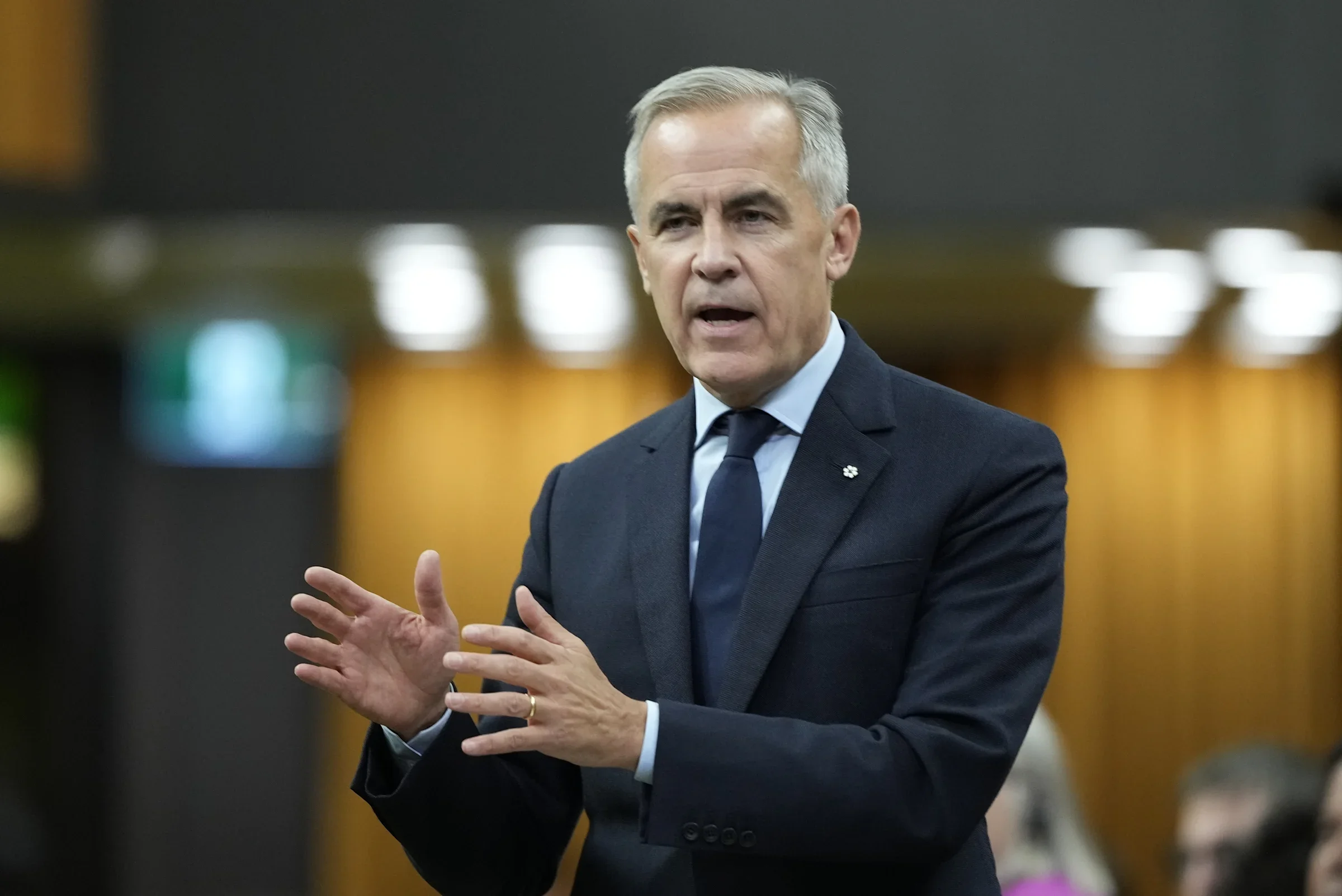
Photo Credit: Adrian Wyld/The Canadian Press via AP via Yahoo News Canada.
On Apr. 13, Prime Minister Mark Carney and his Liberal Party secured a parliamentary majority in the House of Commons. This majority was achieved after five opposition MPs crossed the floor to join the Liberal caucus, and three federal by-elections in Ontario and Quebec were won by Liberal candidates.
A parliamentary majority occurs when a political party occupies more than half of the seats in the House of Commons. Right now, to have a majority government, a political party needs to secure 172 seats out of the current 343 seats in the House of Commons.
With 174 seats, the Liberals can now independently pass legislation through the House of Commons without needing to negotiate with and win the votes of Members of Parliament (MPs) who belong to opposition parties. As a result, the current opposition parties — including the Bloc Québécois, the Conservatives, the NDP, and the sole Green Party MP — have lost the power to influence or block any future legislation the Liberals wish to pursue.
Furthermore, opposition parties have lost the potential to force an election if they no longer support the ruling party. As a result, Canada’s current parliament is likely to last until 2029, when Canadians will have to go back to the polls for a national election. This is both helpful and stressful for the Liberal Party, because as a majority government, there is added pressure for them to execute past policy promises.
For instance, this new majority gives Carney’s Liberal government more time and allowance to pursue the “Build Canada Homes (BCH)” housing plan. According to the Liberal Government website, they pledge to “double the pace of construction to almost 500,000 new homes a year.” To do this, the Liberal party promises to provide “over $25 billion in financing to innovative prefabricated home builders in Canada” and “$10 billion in low-cost financing and capital to affordable home builders.” As well, they agree to “build on the elimination of the Goods and Services Tax (GST) for first-time homebuyers on homes at or under $1 million.”
Some of Carney’s other plans include investing in and rebuilding the Canadian Armed Forces and transforming Canada into “the world’s leading energy superpower,” as per an April media release from the Liberals.
The last time a federal majority government was secured in Canada was 2015, when former Prime Minister Justin Trudeau’s Liberals won 184 seats. The 2019, 2021, and 2025 elections all resulted in minority governments.
According to the BBC, this is the first time in Canadian history that a majority government was formed with a mix of MPs crossing the floor and by-elections.